
ai
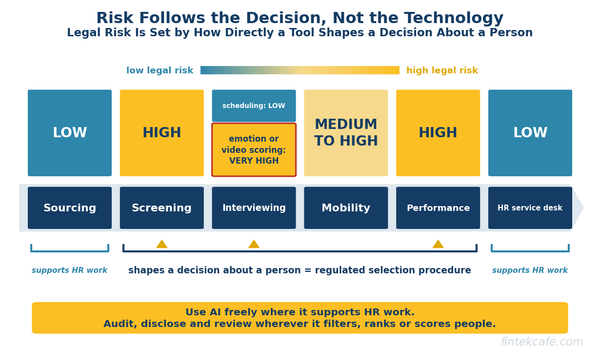
AI in Hiring and HR: Where It Helps, and Where the Legal Risk Sits
Where AI helps in hiring and HR, where legal risk concentrates, what NYC, the EU, Colorado, Illinois and California require, and which controls hold up.
Where AI helps in hiring and HR, where legal risk concentrates, what NYC, the EU, Colorado, Illinois and California require, and which controls hold up.
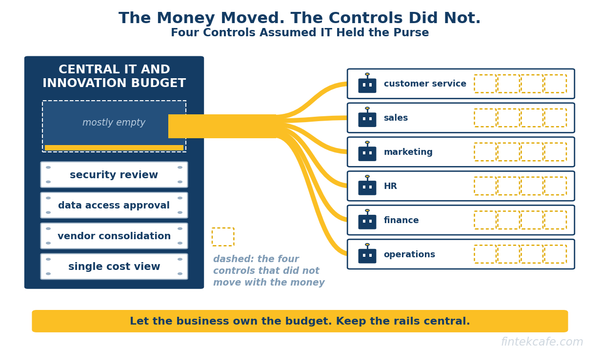
AI spend is moving from central IT to business lines. That ties cost to outcomes but breaks controls built for an IT-held purse. The model that works.
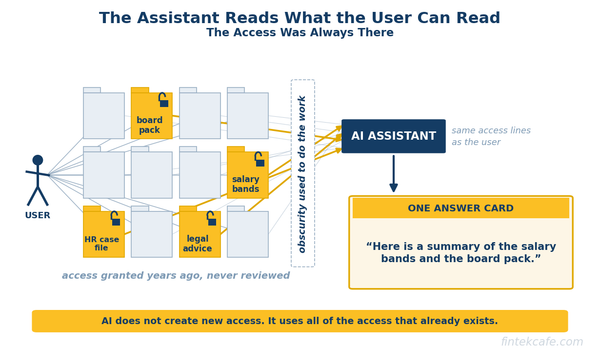
Why AI assistants expose overshared data, how data classification fixes it, what to label first, and a 90-day plan for executives.
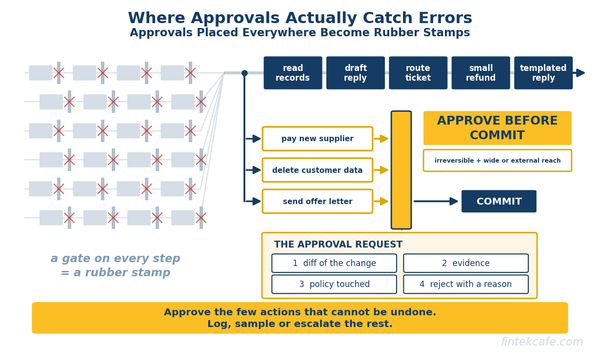
Agent approvals catch errors only at irreversible actions, with a clear diff, at a pace reviewers can read. Where to put them, and how to tell they work.
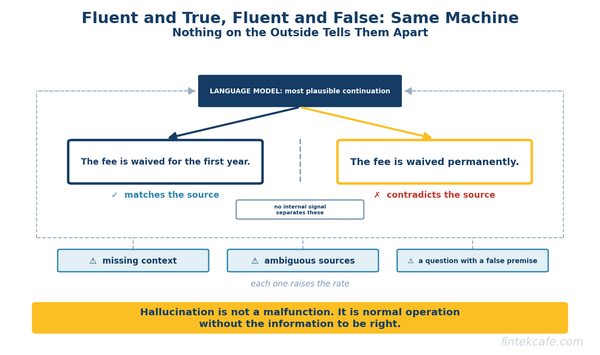
Why LLMs hallucinate, the three kinds of AI hallucination, and which controls actually reduce it, ranked by cost and matched to the cost of an error.
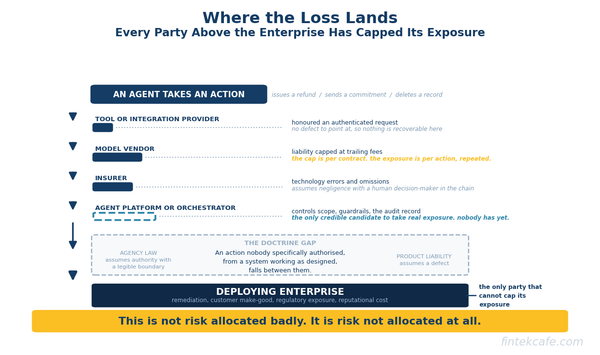
When an agent moves money or promises a customer something, the loss lands wherever the contract is silent. That gap is a deployment constraint.
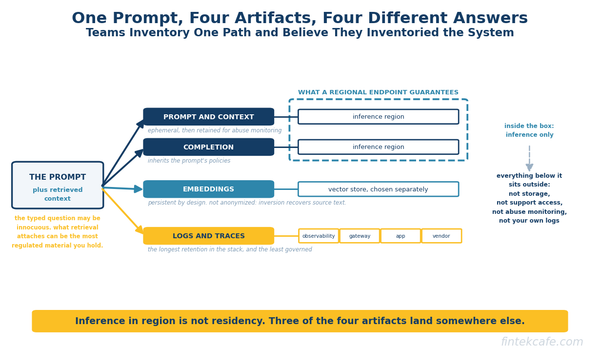
Prompts, completions, embeddings, and logs land in four different places. What a regional endpoint guarantees, what it only implies, and how to decide.
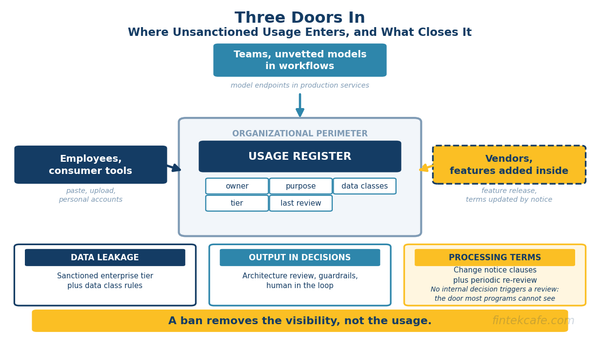
Shadow AI explained: the three exposure classes, why bans fail, how to detect unsanctioned tools, and the tiered governance model that survives contact.
Synthetic data explained: the three generation families, four jobs it does well, where it fails quietly, the regulatory read, and a fit-assessment framework.
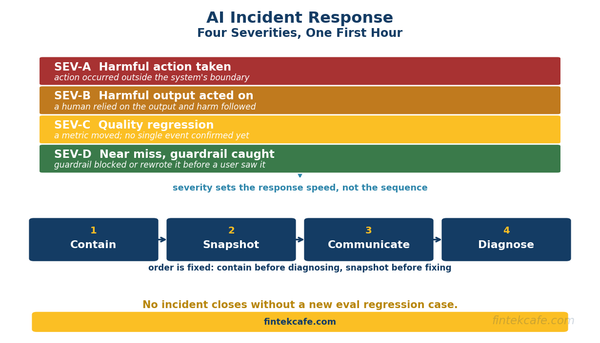
A four-tier AI incident severity model, the first-hour containment sequence, a comms matrix, and the postmortem rule that stops incidents recurring.
Why AI policies fail as documents and work as controls: a three-tier governance model, ownership patterns, EU AI Act duties, and metrics that matter.
Deep analysis across the systems, strategies, and economics that shape modern technology.
Premium Members Get: Exclusive deep-dive research · Architecture playbooks · Executive briefings · Full archive access