
The Card Networks' Stablecoin Defense: Co-opt, Contain, Collect
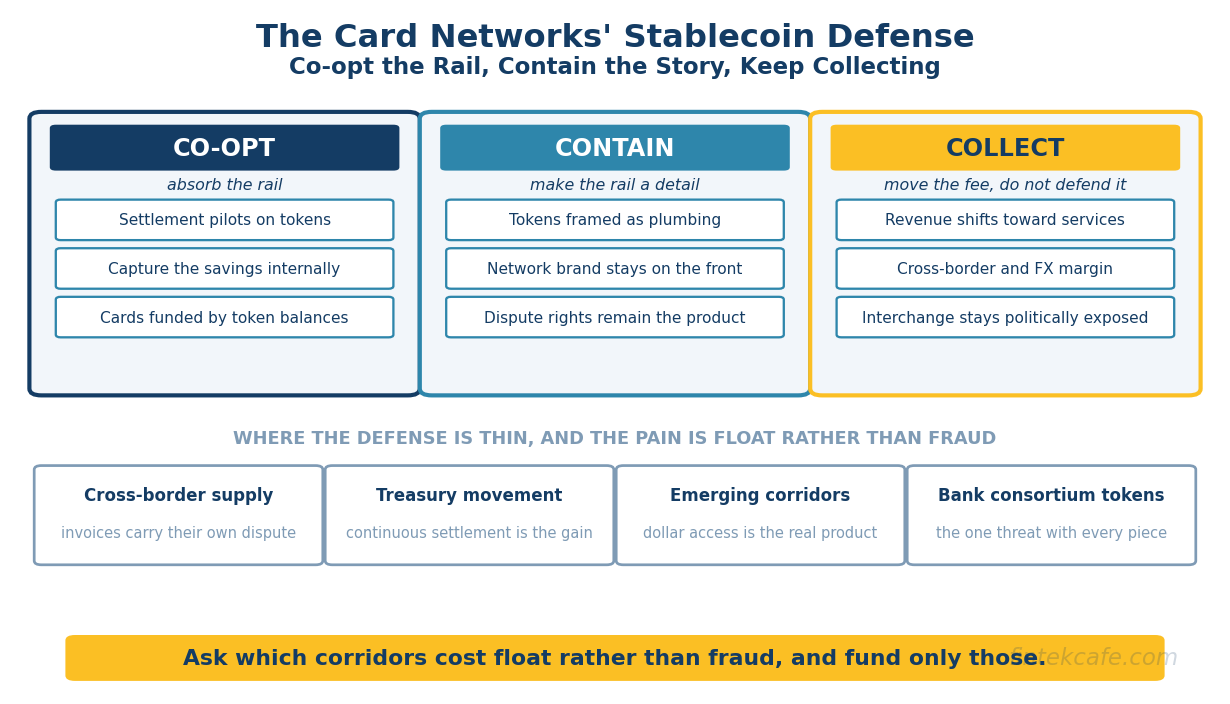
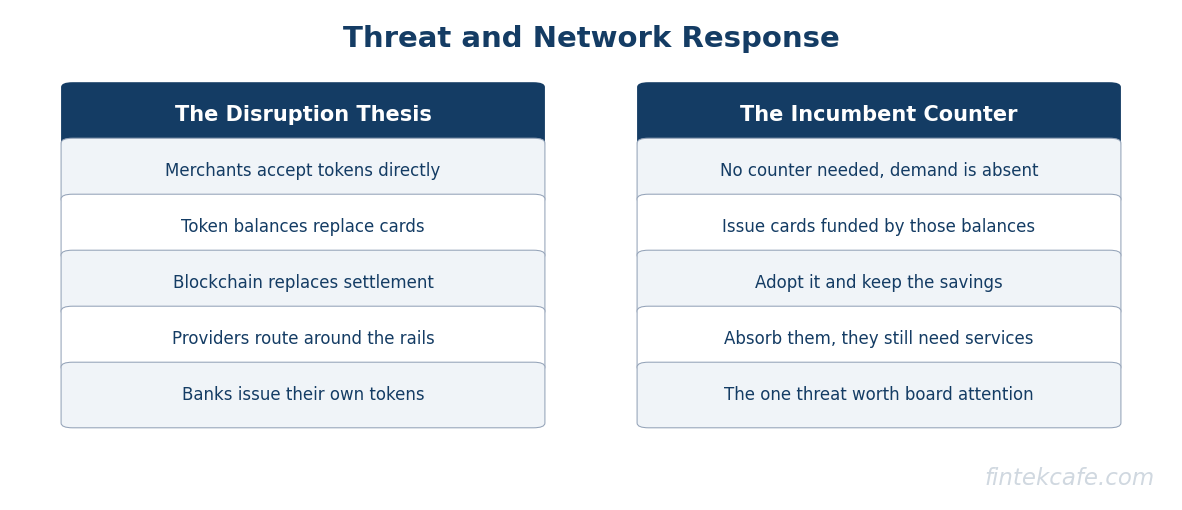
The stablecoin disintermediation thesis was clean enough to fit on a slide. Merchants pay two to three percent to accept a card. A stablecoin transfer settles in seconds for a fraction of a cent. Therefore merchants route around Visa and Mastercard, interchange collapses, and the networks become a legacy toll booth on a road nobody drives anymore. That argument has been made confidently for most of a decade, the underlying technology has worked the entire time, and the networks' economics have not deteriorated.
The reason is not inertia and it is not regulatory protection, though both help. It is that the card networks read the threat correctly and responded with the oldest incumbent playbook there is: co-opt the rail, contain the narrative, keep collecting the fee. Stablecoin settlement pilots let the networks absorb the new rail as an internal plumbing upgrade rather than fight it. Positioning stablecoins as a settlement detail underneath the network brand contains the threat to a layer where the network still sets the rules. And the fee itself is being quietly relocated from interchange, which is politically exposed and regulator-attacked in every major market, toward foreign exchange, settlement, and compliance services, which are not. The stablecoin era is not going to kill the card networks. On current trajectory it is going to make them less dependent on the one revenue line governments keep trying to cap.
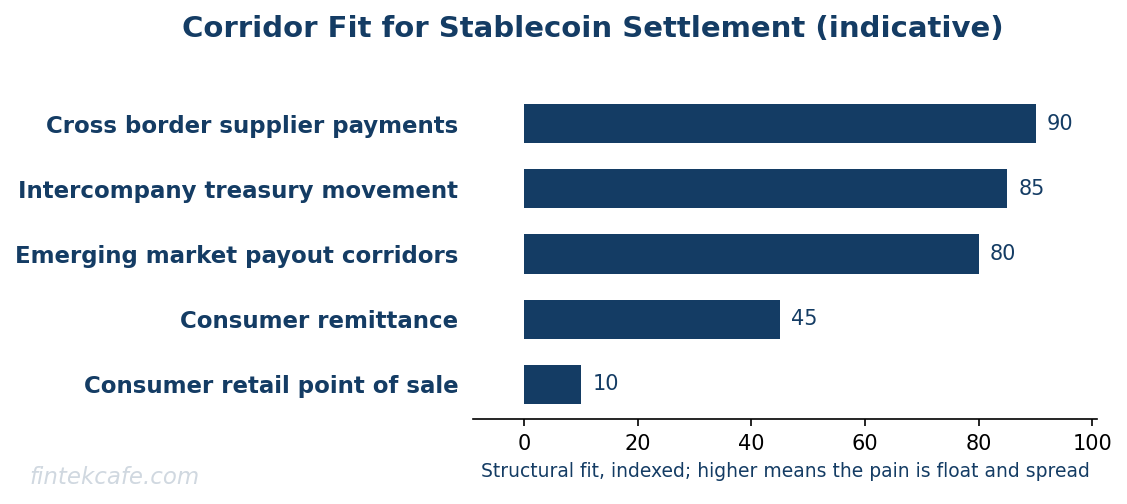
For a CFO or payments leader, that reframes the question entirely. The useful question is not whether stablecoins disrupt cards. It is which parts of your payments footprint the networks are structurally unable to defend, because that is the only place a stablecoin project returns anything.
Why the Merchant-Direct Story Keeps Stalling
Every serious attempt to get consumers paying merchants directly in stablecoins runs into the same wall, and the wall is not technical. Merchant-direct stablecoin acceptance is a strictly worse product for the party whose behavior would have to change.
Start with what a cardholder actually buys when they tap a card. They are not buying a payment. They are buying a reversible payment. The right to dispute a charge and have a third party adjudicate it is the single most valuable feature of the card system, and it is a feature the consumer receives for free because the merchant pays for it through interchange. A stablecoin payment is final. Finality is a virtue in wholesale settlement and a defect in consumer retail, because it moves the entire counterparty risk of a bad merchant onto the person with the least ability to absorb it.
This is the analytical error at the center of the disintermediation thesis. Chargebacks get modeled as friction, a cost the network imposes that a better rail could eliminate. They are not friction. They are the product. The evidence for this is that every payment system that achieved consumer scale without native reversibility eventually bolted on a dispute layer, and the entity that operates that dispute layer is the entity that ends up setting the economics. If a stablecoin scheme wants consumer retail volume, it has to build dispute rights, identity, and liability allocation. Once it does, it has rebuilt a card network with worse brand recognition and no issuing base, and it will discover that those functions cost roughly what the networks charge for them.
The second wall is the funding side. Consumer card payments are overwhelmingly credit, and credit is not a payment feature, it is a lending product with an interest-rate revenue stream attached. A stablecoin balance is a debit instrument. Asking a consumer to move from a rewards-earning, float-providing, dispute-protected credit line to a prefunded token balance is asking them to accept less on every dimension they care about. The rewards themselves are funded by interchange, as the mechanics of who actually pays the interchange fee set out, which means the merchant's two to three percent is simultaneously purchasing the consumer's willingness to use the instrument. Removing the fee removes the incentive that produces the volume.
The third wall is distribution. Even a merchant fully convinced by the economics faces the fact that acceptance is worthless without cardholders, and cardholders arrive through issuers, and issuers earn most of the interchange. There is no version of merchant-direct stablecoin acceptance at scale that does not require solving consumer distribution from zero, against incumbents who own the wallet, the trust, and the rewards budget.
This is a Premium Article
Sign up for a Premium membership to read this article and get full access to strategic intelligence on technology and business.
Already a member? Sign in
Related Articles
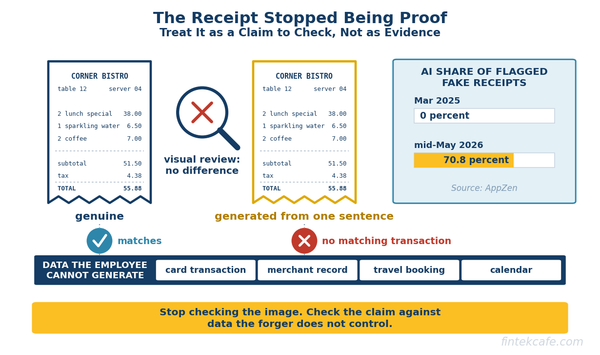
AI-Generated Fake Receipts: How Expense Fraud Changed and How Finance Teams Catch It
AI-generated fake receipts now beat visual review. How expense fraud changed, which detection still works, and the controls to use by company size.
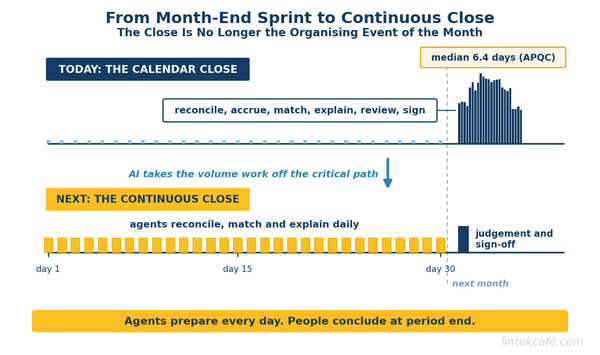
The Monthly Close Is Becoming Continuous, and the Finance Calendar Will Not Survive It
AI is taking the bottleneck work out of the month-end close. The close becomes continuous with a short sign-off, and finance, audit and the board change.
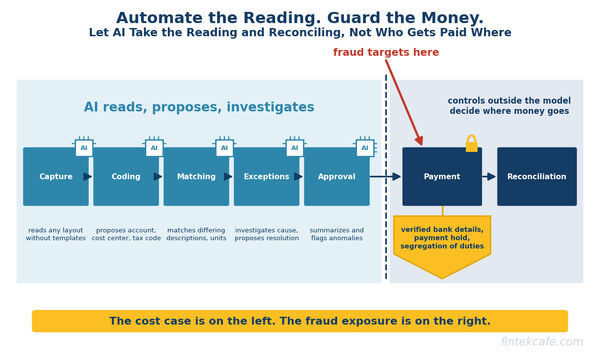
Accounts Payable Automation: What AI Can Actually Take Over in Invoice-to-Pay
What AI can take over in accounts payable, step by step from capture to payment, where the fraud risk grows, and which controls must stay outside the model.