AI Agents in the Enterprise: What Actually Works in 2026 (and What Is Still Demoware)
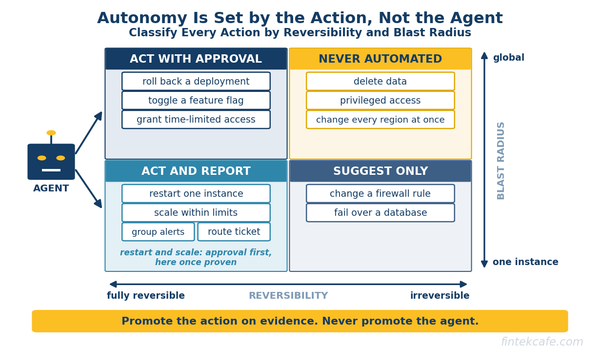
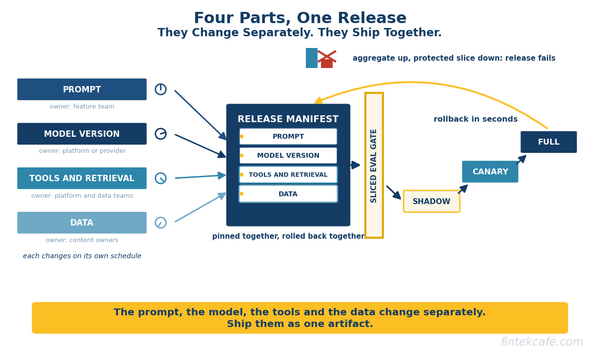
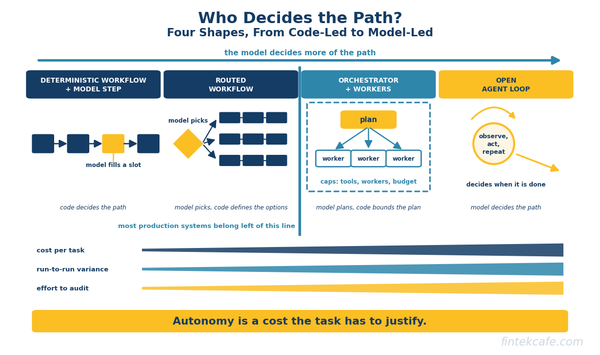
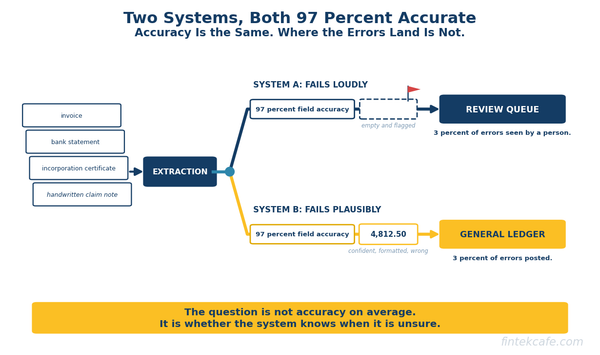
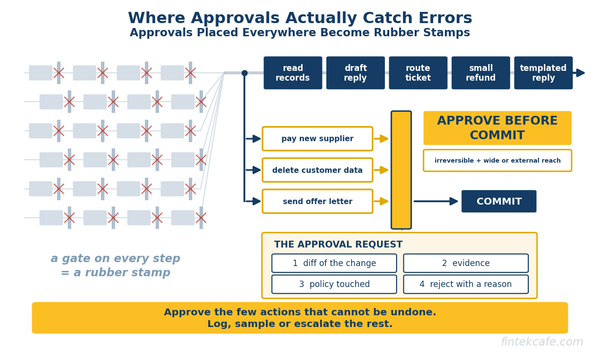
Most enterprise AI agents stall in pilot. A framework for the narrow, tool-constrained, well-evaluated patterns that ship, and the demoware that does not.
Section 1033 sets the US open-banking trajectory through 2030. A framework for what it mandates and what it changes for banks, fintechs, and aggregators.
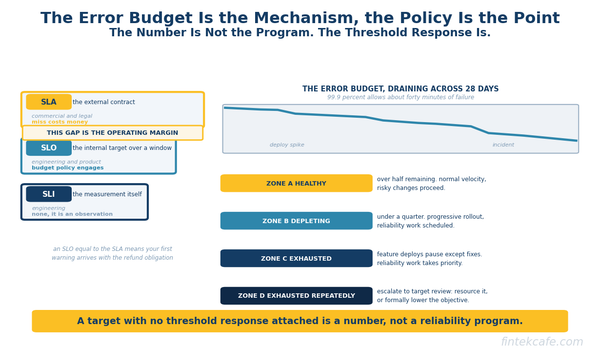
Observability spend now rivals compute at many fintech and SaaS firms. A framework for what drives the bill, the vendor landscape, and how to fix it.
Three patterns compete for enterprise LLM budgets. A framework for fine-tuning, RAG, and long-context across cost, latency, refresh, and governance.
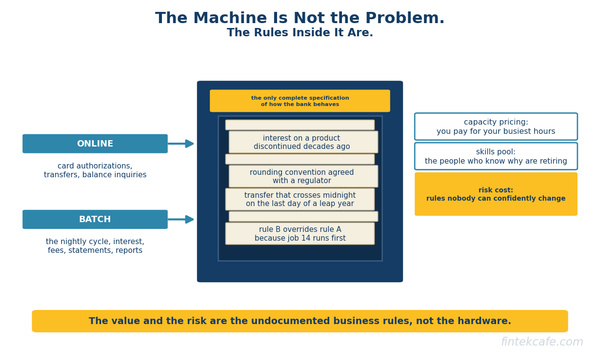
The SWIFT MT to MX coexistence window closed November 2025. A framework for the bank tech-stack rewiring that follows through 2027.
Service mesh adoption stalled in 2023. In 2026 the picture is different. A framework for Istio vs Linkerd vs Cilium for financial workloads.
Retrieval-augmented generation is the dominant pattern in enterprise AI. A framework for how RAG works, what it costs, and where it quietly fails.
Edge computing for finance: the three workloads where low latency pays back the premium, the vendor comparison, and the decision tree to use in 2026.
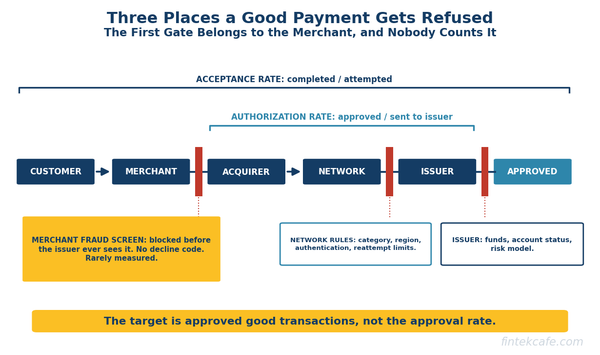
How cross-border payments became real-time: SWIFT GPI, Wise, Ripple, and stablecoin corridors compared on speed, FX, and settlement risk across 2026.
Vector search powers RAG and semantic retrieval. How embeddings, ANN indexes (HNSW, IVF, ScaNN), and hybrid search work, and when each beats keyword search.
Deep analysis across the systems, strategies, and economics that shape modern technology.
Premium Members Get: Exclusive deep-dive research · Architecture playbooks · Executive briefings · Full archive access