
The Great SaaS Consolidation: Why Enterprises Are Firing Half Their Vendors
For the first time in the history of cloud software, the number is going down. The average enterprise spent fifteen years accumulating SaaS applications, through the credit-card signup era, the departmental buying era, and the pandemic procurement spree, until portfolio trackers were counting hundreds of applications per company: Zylo's SaaS Management Index has placed the average portfolio in the high two hundreds, Productiv counted well over three hundred for larger organizations, and both trackers now show the same inflection, application counts peaking around 2022 and 2023 and shrinking since. Procurement teams call it rationalization. Vendors call it vendor consolidation, usually in the same breath as a bundle discount. Boards call it discipline.
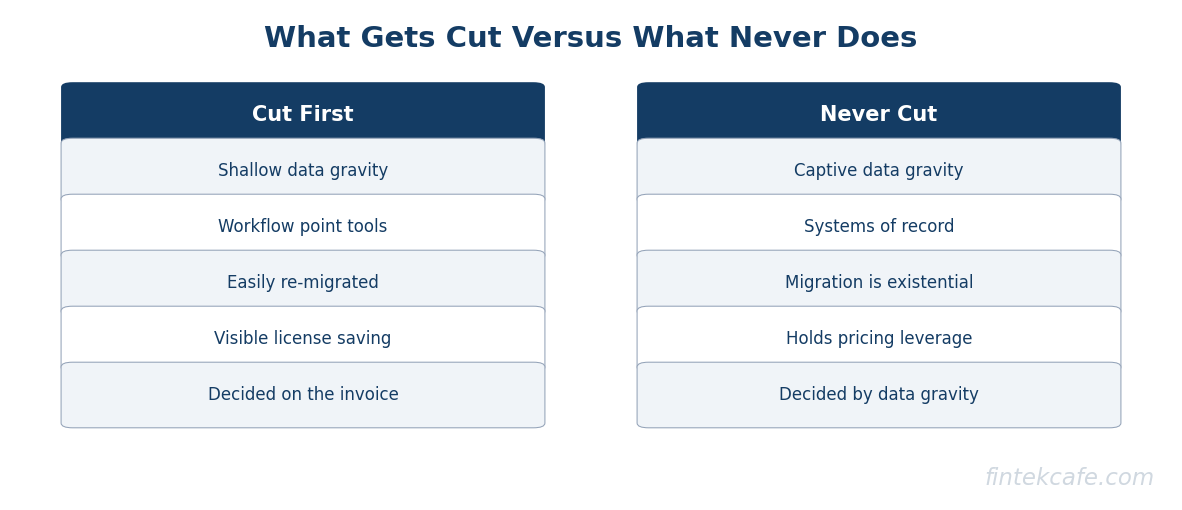
The convenient story is that this is a cost program: fewer vendors, fewer licenses, fewer renewals, a smaller bill. The evidence supports a less flattering read. Consolidation is primarily a power transfer to platform vendors, and most organizations executing it are trading a visible, one-time line-item saving for an invisible, compounding increase in switching cost and negotiating weakness. The license saving lands in this year's budget review. The leverage loss lands in every renewal negotiation for the next decade. Only one of those shows up in the business case.
Why the Best-of-Breed Decade Ended
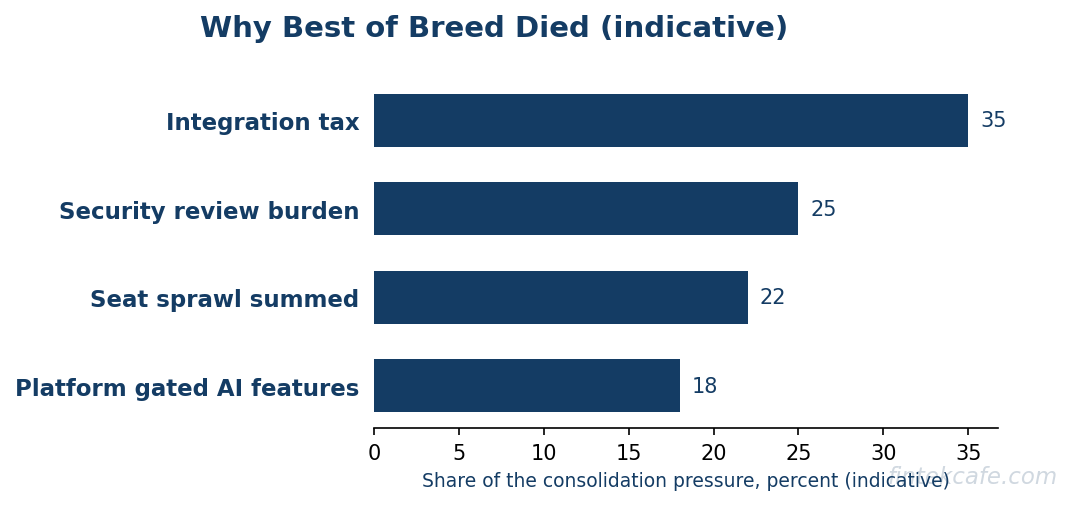
The unbundled era was not irrational. Between roughly 2010 and 2022, buying the best tool for each job was the winning strategy because the costs of fragmentation were low and falling: integration was somebody's afternoon with an API, security review was a questionnaire, and money was cheap enough that nobody audited seat counts. Four forces ended it, and none of them was primarily about price.
The first is the integration tax. Every additional application is not one more thing; it is one more node in a graph whose edges someone has to build and maintain. Identity, provisioning, data synchronization, and permissions mapping scale with the number of connections, not the number of tools, and the organizations that assembled the fashionable stack of the late cloud era discovered the same thing the data teams did: an architecture of many excellent point solutions becomes an unexcellent system. The same dynamic that drove the consolidation of the modern data stack is now running across the whole application portfolio, and for the same reason: the integration burden that vendors externalized onto customers came due.
The second is the security and compliance review burden. Every vendor is now a supply-chain risk to be assessed, monitored, and re-certified, and the cost of that assessment has risen with every high-profile third-party breach. A three-hundred-vendor portfolio means three hundred security postures, three hundred data-processing agreements, and three hundred potential incident notifications. Security teams became an unexpected constituency for consolidation, because the cheapest vendor to assess is the one you no longer have.
The third is seat and spend sprawl becoming visible. The SaaS management tooling that emerged to track portfolios produced numbers finance could act on: seats never logged into, overlapping tools with identical functions bought by different departments, auto-renewals nobody owned. Industry analyses of license utilization routinely find a third or more of paid seats inactive. Once measured, the waste had an owner, and rationalization programs followed.
The fourth force is the newest and the most decisive: AI features are arriving platform-first. The copilots, agents, and AI assistants that executives now expect in every tool are being shipped fastest, and priced most aggressively, by the large platform vendors, which can amortize model costs across enormous installed bases and, crucially, can gate AI features to their premium bundle tiers. A point solution with a better interface is now competing against a platform whose AI tier includes a good-enough version of that point solution for what looks like nothing. The best-of-breed decade ended when the breed stopped being the unit of competition.
This is a Premium Article
Sign up for a Premium membership to read this article and get full access to strategic intelligence on technology and business.
Already a member? Sign in
Related Articles
Integration Platforms Are the Quiet Winners of the Agent Era
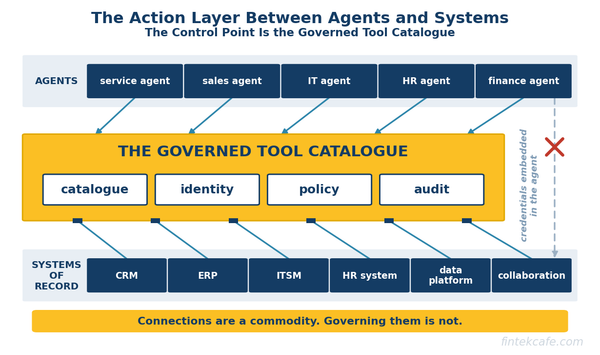
Agents act through integrations. iPaaS and API vendors hold the connectors, credentials and audit trails, and MCP makes governing that layer worth more.
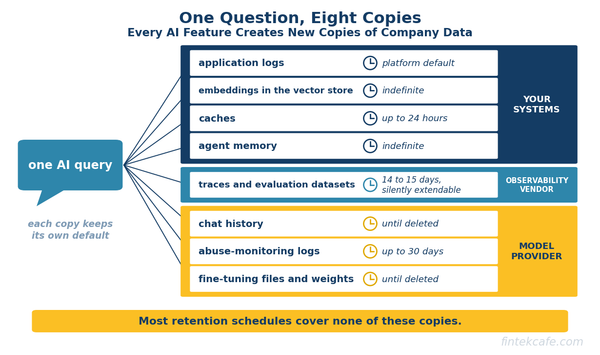
What Happens to Your Data Inside AI Systems: Retention, Deletion and the Copies Nobody Tracks
Every AI feature copies company data into prompts, logs, embeddings and memory. Where each copy lives, what vendors retain, and how to make deletion real.
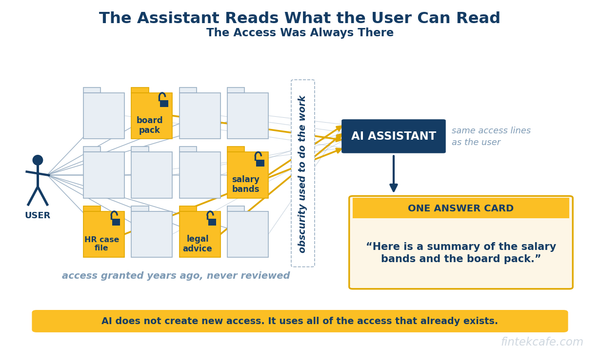
Data Classification: The Step Every Enterprise AI Rollout Skips, and What It Costs Later
Why AI assistants expose overshared data, how data classification fixes it, what to label first, and a 90-day plan for executives.