
Platform Teams Are Being Handed the AI Mandate, and Most Are Not Resourced for It
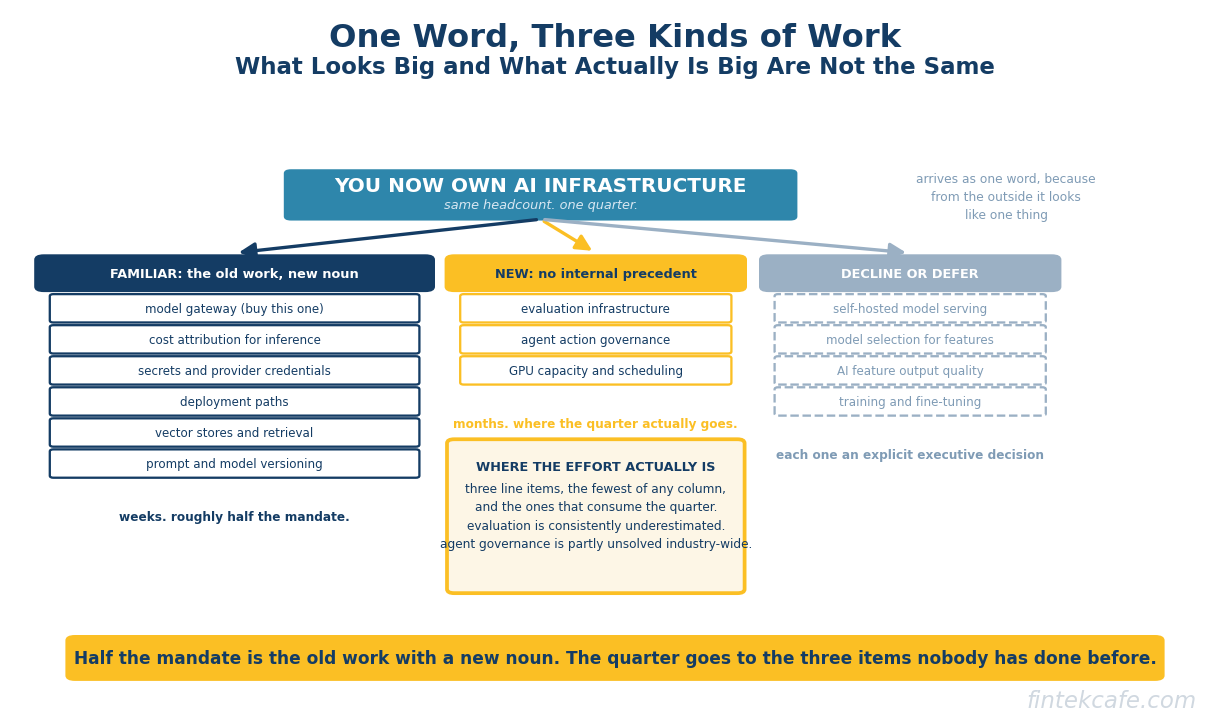
The internal developer platform team spent three years standardising continuous integration, taming Kubernetes, and building golden paths that product teams would actually use. That work is roughly done, the adoption numbers are finally respectable, and the team has just been told it now also owns model gateways, GPU capacity, evaluation infrastructure, and agent governance. Same headcount. Executive expectation of a quarter.
This is not a resourcing oversight to be corrected with a headcount request. It is the second platform consolidation, it follows the same arc as the first, and the outcome is already largely determined by how the team responds in the first six weeks.
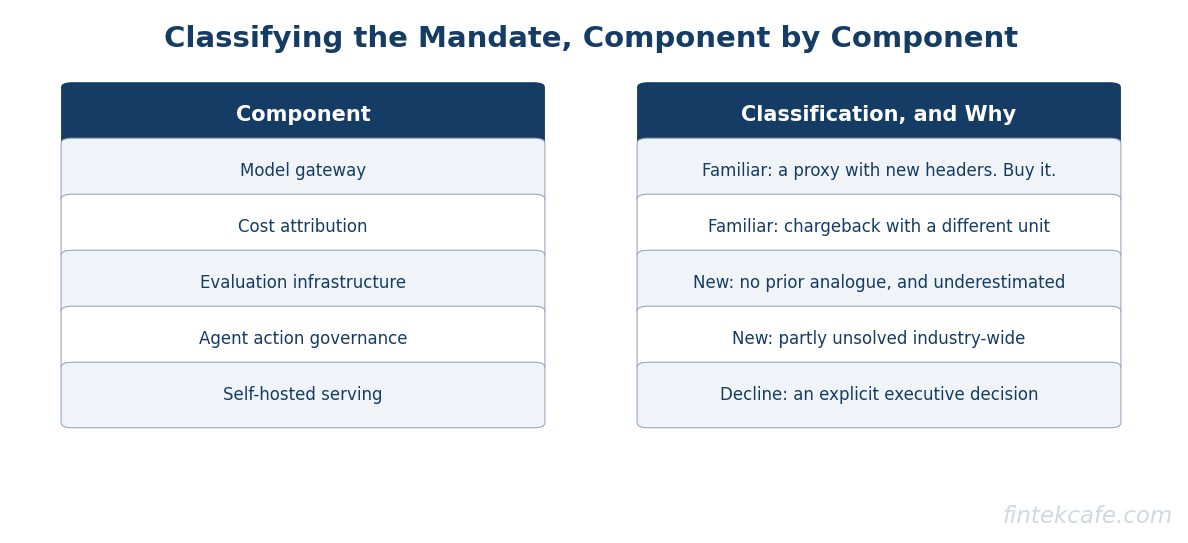
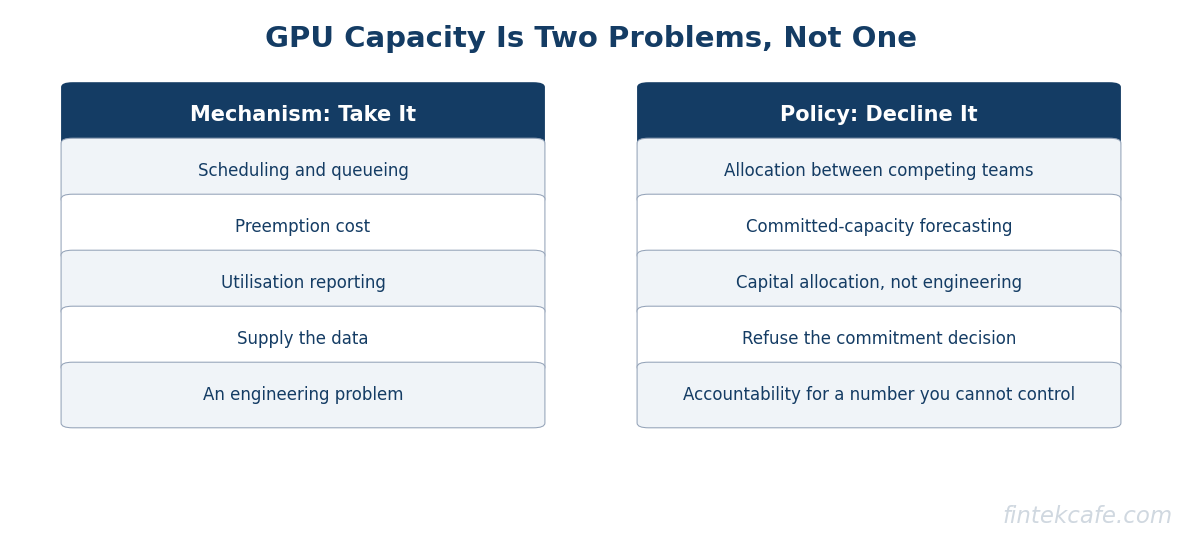
The thesis is this. The mandate lands on the platform team for a sound structural reason, so arguing it belongs elsewhere is a losing argument and a waste of the only political capital available. But the request as delivered bundles together three genuinely different kinds of work: work that is the old work wearing a new noun, work that is genuinely new and expensive, and work that should be bought rather than built. Teams that accept the mandate as a single undifferentiated scope fail, predictably, in the same way the first generation of internal developer platforms failed. Teams that accept the mandate and renegotiate its contents on the way in are the ones that come out of this with a functioning platform and a team that still exists.
Why It Lands Here
The instinct to argue that AI infrastructure deserves its own team is understandable and wrong, because it misreads why the work is arriving at this particular door.
The platform team owns the gates. Identity and access, secrets management, deployment pipelines, network egress, cost attribution, and audit logging. Now enumerate the controls that any serious AI governance programme requires: who is allowed to call which model, where credentials for model providers live, how a model-backed service reaches production, what an agent is permitted to reach over the network, which team's budget absorbs the inference spend, and what record exists of what was sent and what came back.
Every one of those runs through a gate the platform team already owns. That is the whole explanation. The AI mandate is not arriving because someone decided the platform team had spare capacity. It is arriving because the alternative, a separate AI infrastructure team, would spend its first year rebuilding identity, secrets, deployment, and cost attribution badly, in parallel, and the organisation would then have two platforms and a boundary dispute.
Which means the structural logic is sound and the honest response is to accept the mandate. The problem is never the destination. It is that the request arrives as one word, "AI infrastructure", covering work with wildly different cost profiles, and the executive sponsor issuing it has not decomposed it because from the outside it looks like one thing.
This is a Premium Article
Sign up for a Premium membership to read this article and get full access to strategic intelligence on technology and business.
Already a member? Sign in
Related Articles
Data Classification: The Step Every Enterprise AI Rollout Skips, and What It Costs Later
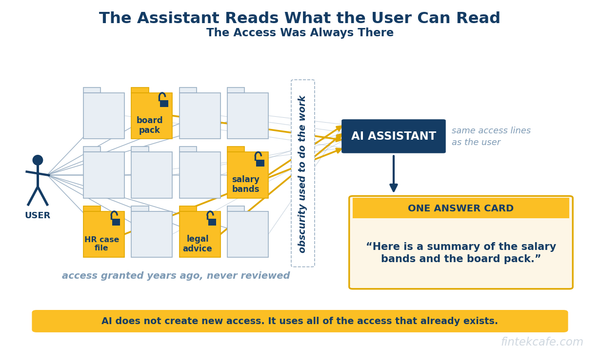
Why AI assistants expose overshared data, how data classification fixes it, what to label first, and a 90-day plan for executives.
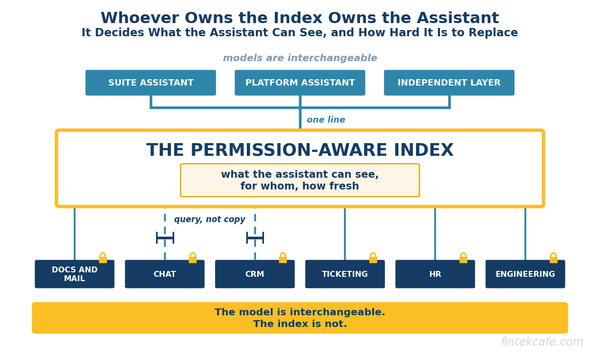
Enterprise Search Is Back, and This Time It Decides Which AI Assistant Wins
Enterprise search failed for twenty years. Now the permission-aware index behind every AI assistant is the control point, and its owner wins.
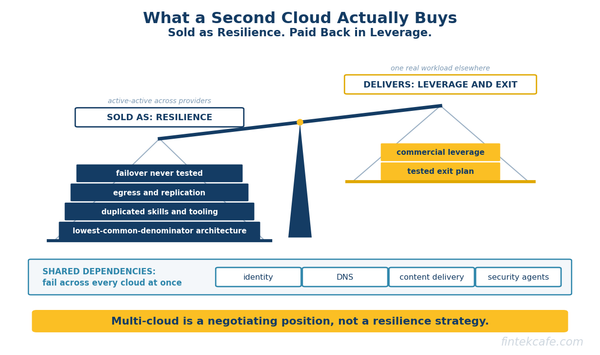
Multi-Cloud Is a Negotiating Position, Not a Resilience Strategy
Running one workload across two clouds rarely pays for itself. A second cloud's real value is leverage and exit evidence. Which workloads need what.