
The SaaS Gross Margin Squeeze: AI COGS Are Breaking the Eighty Percent Model
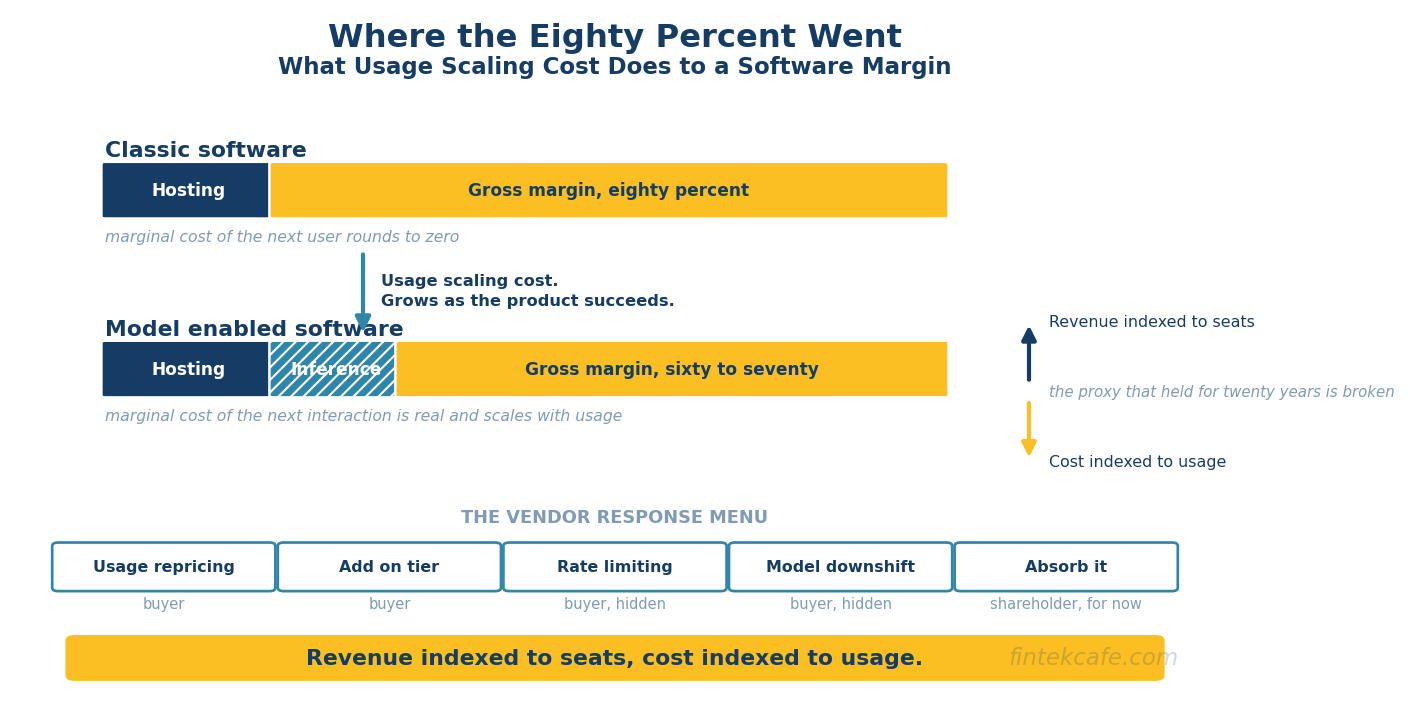
Software's defining financial property was never the recurring revenue. It was the marginal cost. Once the product existed, serving the ten-thousandth customer cost almost nothing more than serving the nine-thousandth, and that single fact generated everything the industry built on top of it: gross margins in the seventy five to eighty five percent band, the revenue multiples that band justified, the land-and-expand motion that assumed expansion was nearly free to deliver, and the willingness of public markets to fund a decade of unprofitable growth on the theory that the margin was structurally there whenever the company chose to stop spending.
That property is now dying inside every SaaS vendor that shipped AI features, and it is dying quietly, because gross margin is a lagging, aggregated number that hides which product lines are bleeding. Inference is not a fixed hosting cost that amortizes across a growing customer base. It is a variable cost that scales with usage, and every AI interaction a vendor's product performs consumes real compute that someone pays a real bill for. The industry has spent two years describing this as an investment phase. It is not a phase. It is the arrival of a cost of goods sold line that behaves like an infrastructure company's, inside income statements built on the assumption that no such line existed.
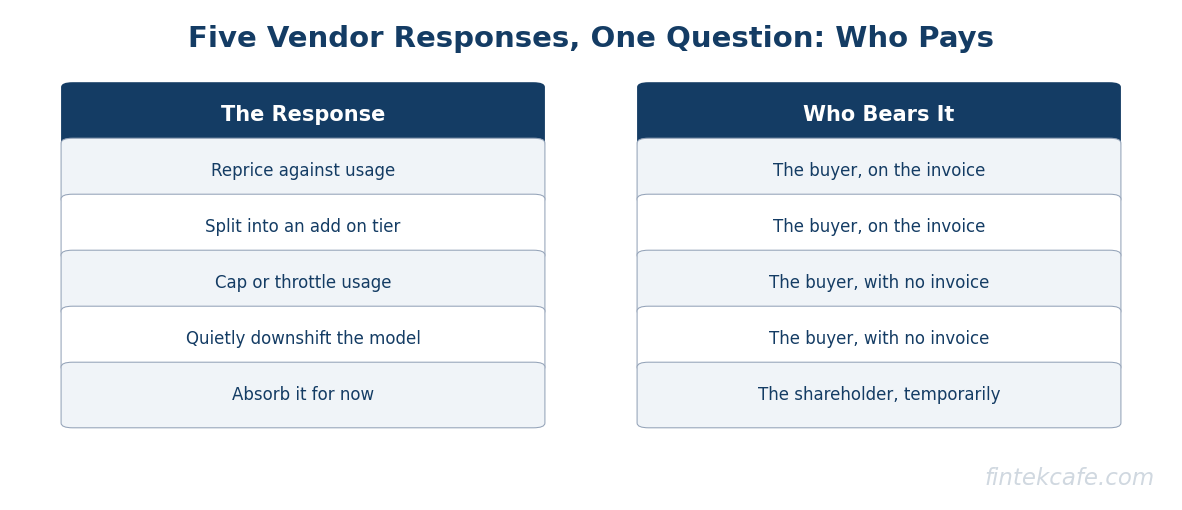
The consequence follows mechanically. A vendor with AI features embedded in a per-seat product has revenue that scales with headcount and cost that scales with usage, and those two lines have been diverging since the day the features shipped. Only four things can happen next: the vendor reprices, the vendor charges separately, the vendor degrades what it delivers, or the vendor absorbs the gap and reports lower margins. Every one of those outcomes lands on the buyer, which is why this is a procurement problem and not only a vendor problem.
Why Eighty Percent Was Never a Law of Nature
The eighty percent gross margin benchmark was an empirical regularity of a specific cost structure, not a property of software as such. It described a world where the cost of goods sold consisted of hosting, a support organization, some third-party data licensing, and the amortization of capitalized development. Hosting was the largest piece, and hosting scaled sublinearly with customers because compute per user was small, predictable, and falling every year as hardware improved and cloud vendors competed on price.
Two features of that world made the benchmark stable. Cost per user was tiny relative to price per user, so even a doubling of infrastructure cost barely moved the margin. And cost per user did not vary with how intensively any individual customer used the product, because a user who logged in forty times a day consumed a rounding error more than one who logged in twice.
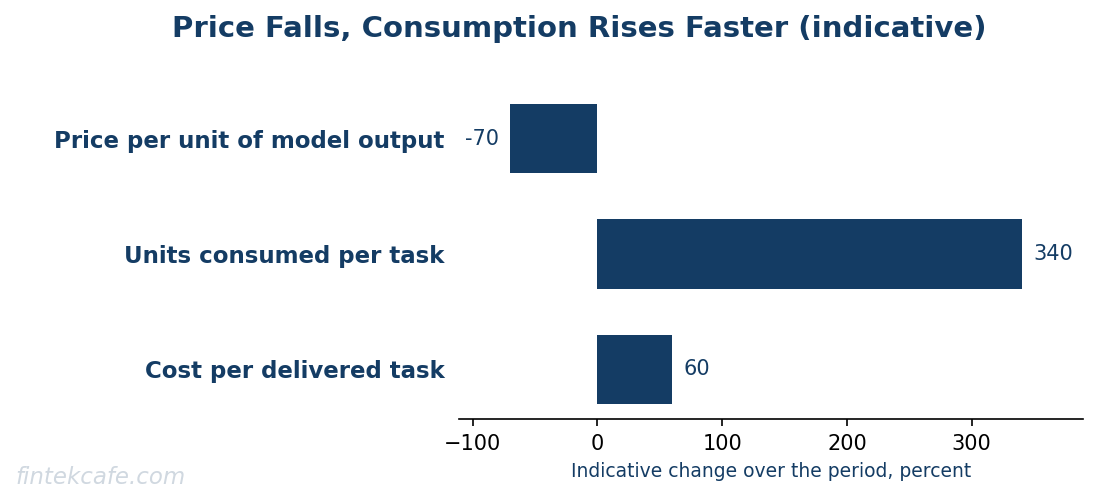
Generative AI breaks both features simultaneously. Cost per interaction is no longer tiny relative to price, and it varies enormously with intensity of use. A power user of an AI-enabled product can consume tens or hundreds of times the compute of a light user on the same seat, at the same price. The vendor has, without quite deciding to, sold an all-you-can-eat contract on an input it buys by the unit.
This is a Premium Article
Sign up for a Premium membership to read this article and get full access to strategic intelligence on technology and business.
Already a member? Sign in
Related Articles
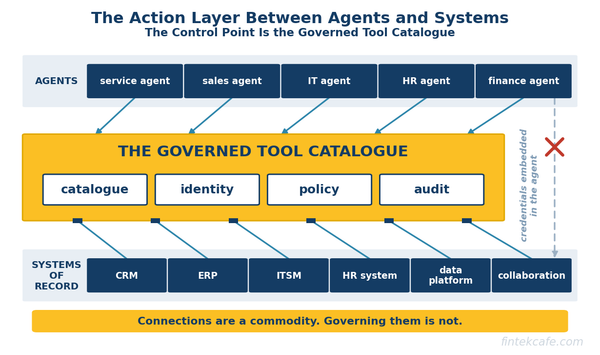
Integration Platforms Are the Quiet Winners of the Agent Era
Agents act through integrations. iPaaS and API vendors hold the connectors, credentials and audit trails, and MCP makes governing that layer worth more.
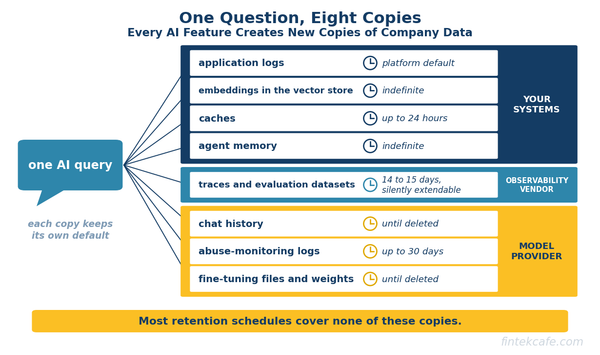
What Happens to Your Data Inside AI Systems: Retention, Deletion and the Copies Nobody Tracks
Every AI feature copies company data into prompts, logs, embeddings and memory. Where each copy lives, what vendors retain, and how to make deletion real.
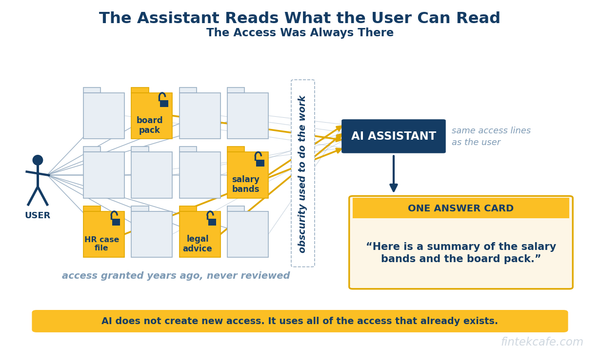
Data Classification: The Step Every Enterprise AI Rollout Skips, and What It Costs Later
Why AI assistants expose overshared data, how data classification fixes it, what to label first, and a 90-day plan for executives.