
The Quiet Death of the Neobank Premium: Why Chime, Monzo, and Revolut Are All Becoming Banks Again
The pitch deck that built the neobank category had one number on the cover slide and one assumption underneath it. The number was the share of retail banking revenue the incumbents were extracting in fees, spreads, and float. The assumption was that a mobile-first interface plus a debit interchange revenue model plus a regulatory wrapper provided by a sponsor bank would let a software company peel that revenue off the legacy banks without ever having to become one. The category was supposed to disintermediate banking the way streaming disintermediated cable.
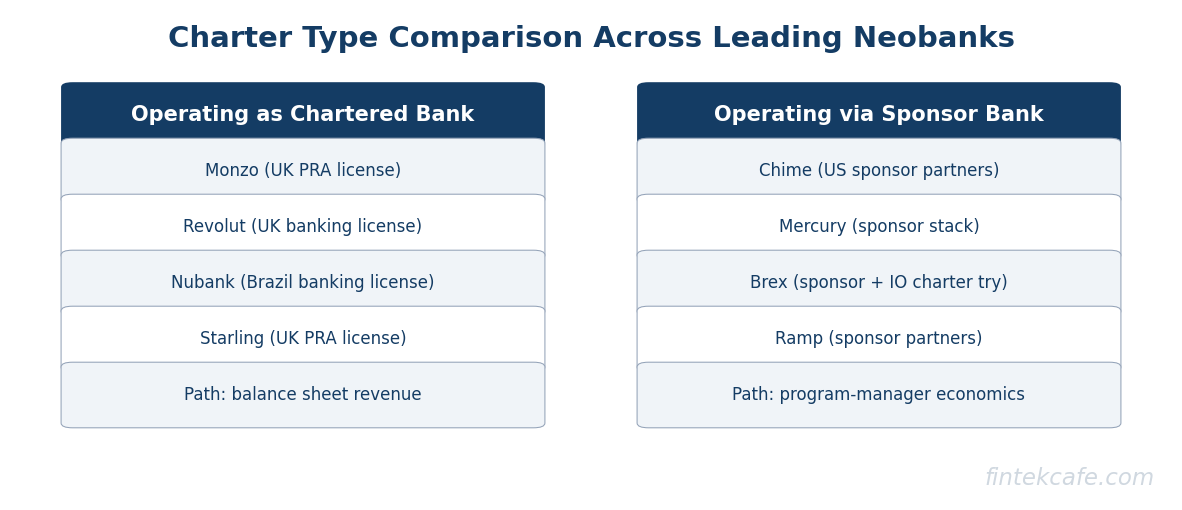
In 2026 the assumption is dead and the people who built the category are the ones who killed it. Chime has filed for a national bank charter and structured its post-IPO operations around the assumption that it will close on one. Monzo turned its first full year of profit in 2024 and the revenue mix that produced the profit looked like a community bank, not a software company. Revolut was granted a restricted UK banking license in 2024 and exited mobilisation in 2025. Nubank, the largest neobank in the world by customer count, has been operating under a full banking license in Brazil since 2021 and has built its expansion playbook on acquiring or applying for charters in every market it enters. The pattern is not coincidence. It is the entire category arriving at the same answer.
The answer is that the neobank premium, the valuation multiple paid for the idea that these companies were software businesses and not banks, was always priced against an interchange revenue model that the regulators, the sponsor banks, and the rate environment have collectively dismantled. Durable retail-banking revenue requires net interest income. Net interest income requires a balance sheet. A balance sheet requires a charter. The contrarian read is no longer that neobanks will become banks. That has already happened. The contrarian read is that the "neobank versus bank" distinction has collapsed into "digital-native bank versus legacy-core bank," and the regulatory moat that the category was supposed to obsolete is reasserting itself as the dominant structural feature of the industry.
The Revenue Mix Tells the Story
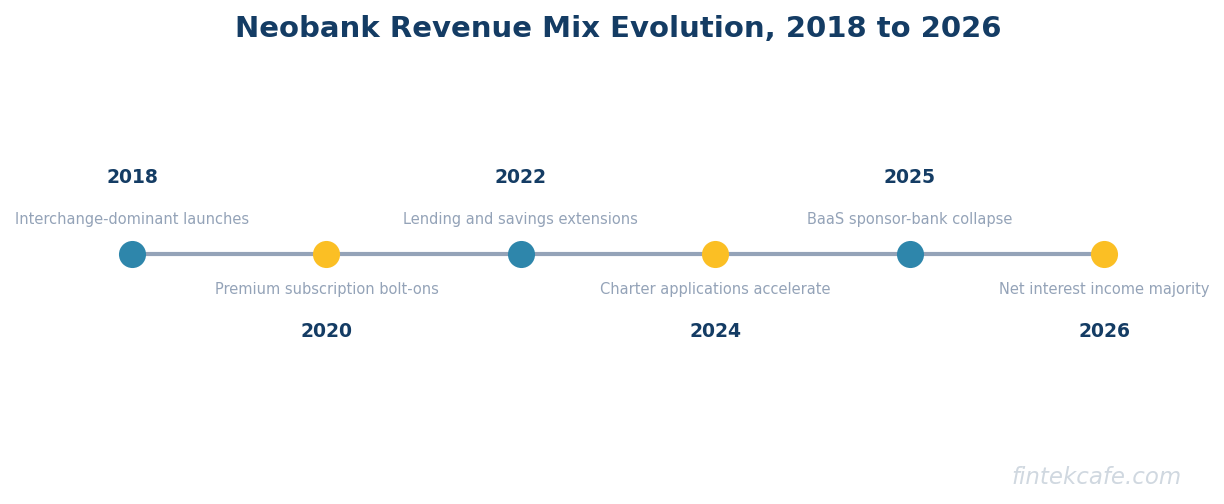
The cleanest way to see the convergence is to look at how the revenue mix at the leading neobanks has moved over the last three years. The category started as overwhelmingly interchange-driven. The leading neobanks now look, in revenue composition, almost indistinguishable from a digital-first community bank.
Monzo's most recent annual results are the clearest example because the company discloses cleanly. Net interest income from lending and from interest on customer deposits placed at the Bank of England has moved from a minor line in 2022 to the dominant revenue contributor in the 2024 fiscal year. Interchange and subscription revenue, which were the original story, have grown in absolute terms but have shrunk as a share of total income. The profit Monzo reported was produced by the part of the business that looks like a bank, not the part that looks like a fintech app.
Nubank discloses by segment in its quarterly filings and shows the same arc, with credit, deposit, and investment products driving the majority of revenue and interchange and fees rounding out the mix. The credit card book, the personal loan book, and the deposit base are the engine. The mobile experience is the front end.
Chime's S-1 disclosures around its IPO showed an interchange-heavy revenue concentration that the offering documents themselves flagged as a strategic risk requiring diversification. The bank charter application filed with the OCC in 2024 is the diversification. The intended state is a deposit base funding a consumer credit book, with interchange revenue continuing but no longer carrying the entire profit and loss statement.
Revolut's UK regulatory filings since the restricted license was issued have shifted the company's stated revenue model toward earning interest on a meaningfully larger sterling deposit base than it could hold under its prior e-money institution license. The wealth and trading business will continue. The card business will continue. The new line is plain old banking.
Across the four companies the trajectory is the same. The piece of the business that produces durable, capital-efficient earnings is the part that looks like a bank. The companies are organizing themselves around that fact.
This is a Premium Article
Sign up for a Premium membership to read this article and get full access to strategic intelligence on technology and business.
Already a member? Sign in
Related Articles
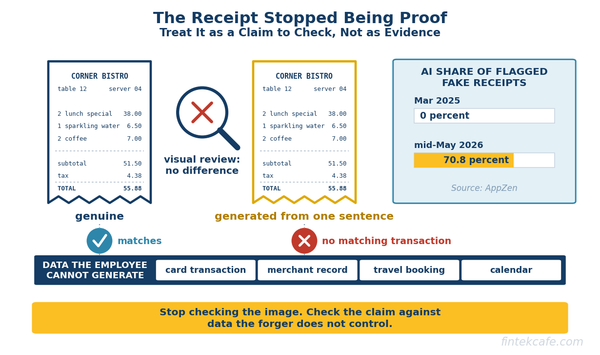
AI-Generated Fake Receipts: How Expense Fraud Changed and How Finance Teams Catch It
AI-generated fake receipts now beat visual review. How expense fraud changed, which detection still works, and the controls to use by company size.
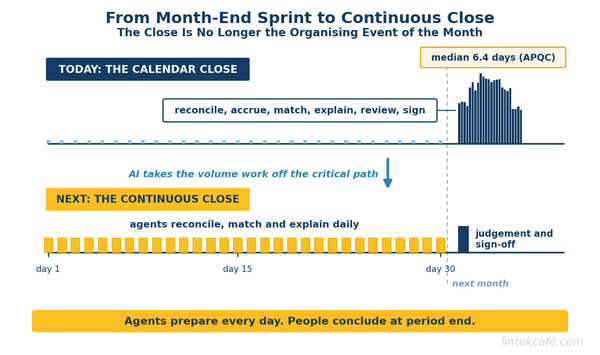
The Monthly Close Is Becoming Continuous, and the Finance Calendar Will Not Survive It
AI is taking the bottleneck work out of the month-end close. The close becomes continuous with a short sign-off, and finance, audit and the board change.
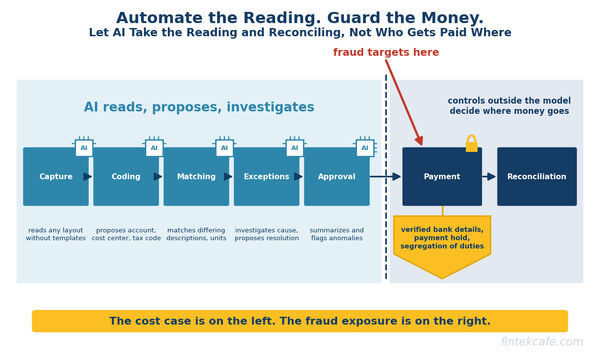
Accounts Payable Automation: What AI Can Actually Take Over in Invoice-to-Pay
What AI can take over in accounts payable, step by step from capture to payment, where the fraud risk grows, and which controls must stay outside the model.