
Technical Debt Is a Leadership Problem, Not an Engineering One
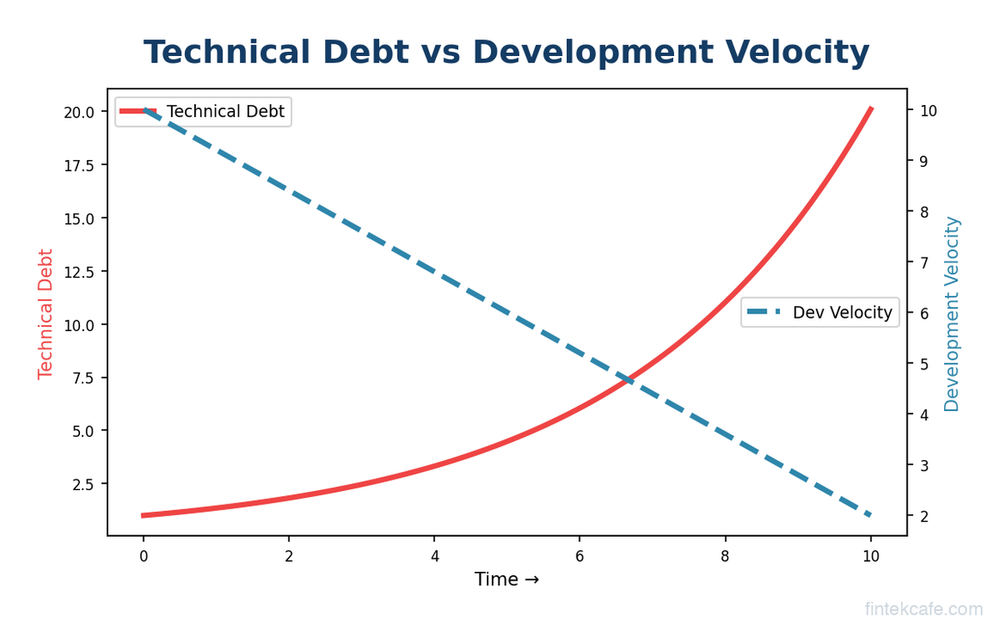
Every technology organization has the same recurring argument. Engineers say: "We need to stop building features and pay down technical debt." Business leaders say: "We need to hit our revenue targets, and tech debt isn't visible to customers." The CTO nods sympathetically at both sides and promises a "tech debt sprint" that gets deprioritized when the next quarter starts.
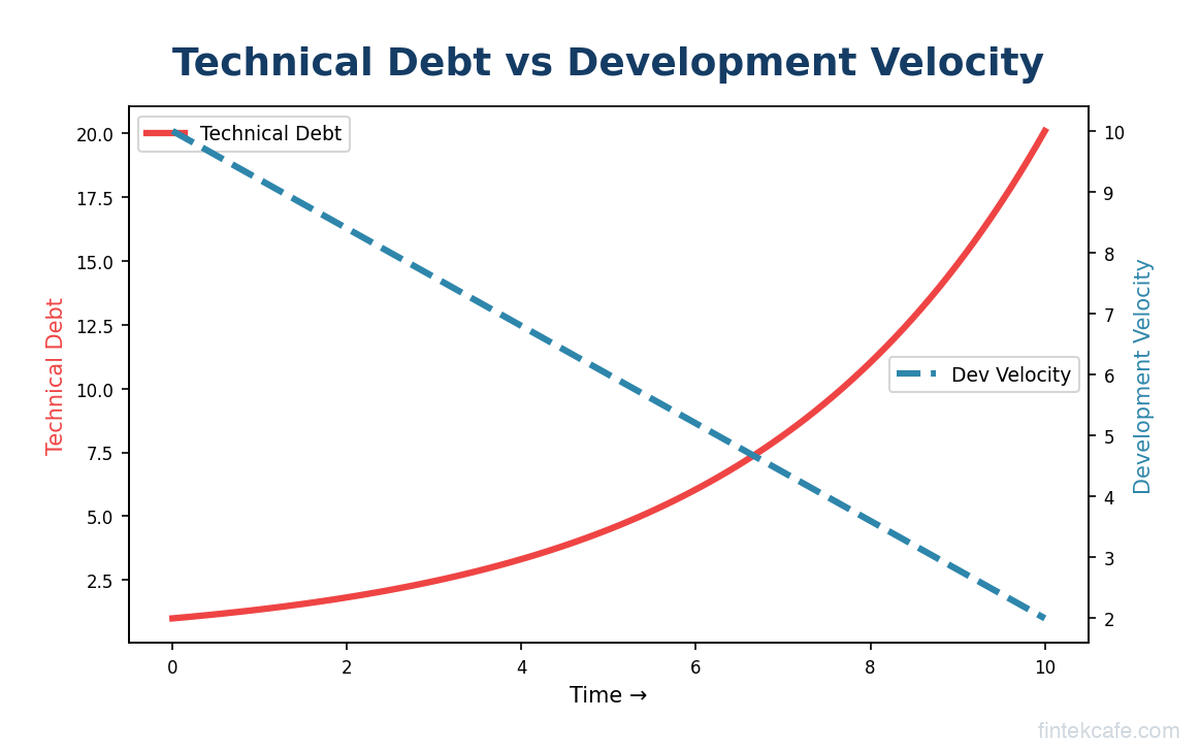
This conversation has been happening for decades, and it produces the same result: nothing changes. Debt accumulates. Velocity slows. Incidents increase. Eventually something breaks badly enough that leadership finally pays attention, by which point the fix costs 10x what prevention would have.
The problem is not that engineers can't explain tech debt. The problem is that it's framed as an engineering concern when it's actually a capital allocation decision. And capital allocation is leadership's job.
Why "Technical Debt" Is a Misleading Metaphor
Ward Cunningham coined the term "technical debt" in 1992 as a way to explain code quality decisions to business people. The metaphor works up to a point: just like financial debt, technical shortcuts create an obligation that must be repaid with interest. Take a shortcut today, pay more later.
But the metaphor also fails in an important way. Financial debt is tracked. It appears on a balance sheet. It has an interest rate, a maturity date, and a creditor who shows up when payments are missed. Technical debt has none of these properties. There's no ledger. There's no interest rate. There's no creditor. The "interest" manifests as slower feature development, more bugs, and longer incident response, but these costs are diffuse and hard to attribute to any specific debt item.
This invisibility is the core problem. Financial debt forces discipline because the numbers stare at you every quarter. Technical debt enables denial because the costs are hidden inside productivity metrics that leadership doesn't connect to code quality.
A CEO would never say "let's just ignore the interest payments on our $50 million credit facility and see what happens." But the same CEO regularly says "let's skip the refactoring sprint and ship more features" without understanding that the decision is economically equivalent.
This is a Premium Article
Sign up for a Premium membership to read this article and get full access to strategic intelligence on technology and business.
Already a member? Sign in
Related Articles
Integration Platforms Are the Quiet Winners of the Agent Era
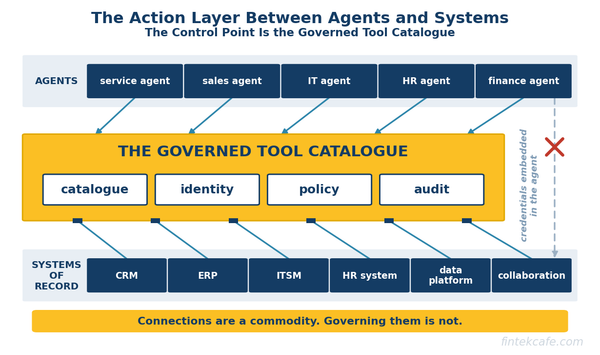
Agents act through integrations. iPaaS and API vendors hold the connectors, credentials and audit trails, and MCP makes governing that layer worth more.
What Happens to Your Data Inside AI Systems: Retention, Deletion and the Copies Nobody Tracks
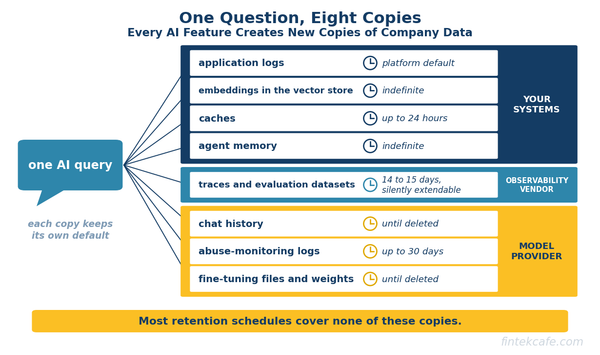
Every AI feature copies company data into prompts, logs, embeddings and memory. Where each copy lives, what vendors retain, and how to make deletion real.
Data Classification: The Step Every Enterprise AI Rollout Skips, and What It Costs Later
Why AI assistants expose overshared data, how data classification fixes it, what to label first, and a 90-day plan for executives.