
The SaaS Pricing Trap: Why Most Companies Get It Wrong
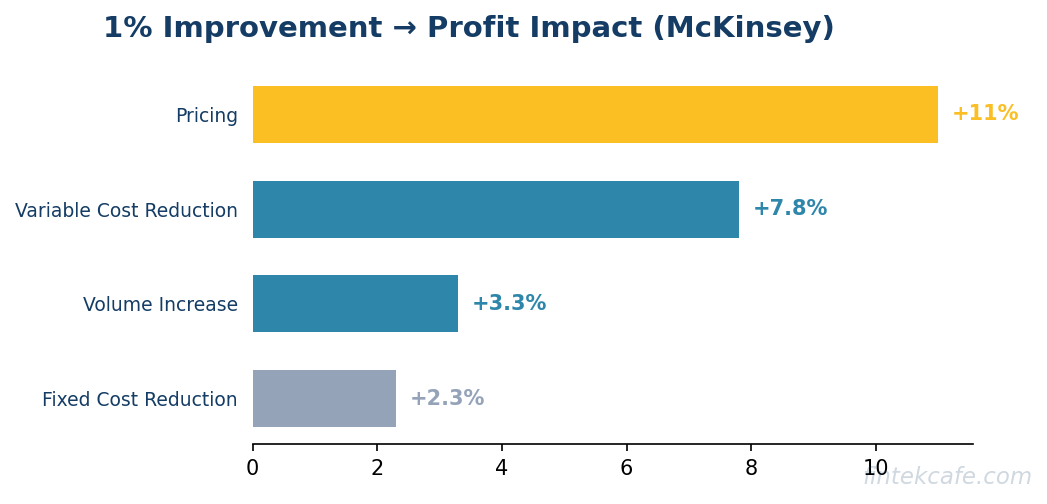
Pricing is the single highest-leverage decision a software company makes. A 1% improvement in pricing yields an 11% improvement in operating profit, according to research from McKinsey. That's more than a 1% improvement in customer acquisition, retention, or cost reduction.
And yet. Walk into any SaaS company and ask to meet the pricing team. You'll get blank stares. Maybe someone in product "owns pricing." Maybe the CEO set the price three years ago based on what competitors charge and hasn't revisited it since. Maybe the pricing page hasn't been updated since the last funding round, when the board said "just raise prices 20%."
Pricing is the most underinvested function in the technology industry. Companies will spend $50 million on sales and marketing to generate demand, then fumble the single decision that determines how much revenue that demand produces. It's like training for a marathon and forgetting to show up on race day.
The pricing landscape is also shifting beneath SaaS companies' feet in ways most haven't fully processed. Per-seat pricing, the dominant model for two decades, is being undermined by AI. Usage-based pricing, the trendy alternative, creates problems of its own. And the companies that figure out pricing will have a structural advantage that compounds every quarter.
Per-Seat Pricing Is Dying
Per-seat pricing is the default model for SaaS: charge $X per user per month. Salesforce popularized it. Every CRM, project management tool, collaboration platform, and HR system adopted it. The logic was clean. More employees using the software means more value delivered, so charge per person.
This model is breaking for one fundamental reason: AI agents don't need seats.
When a customer service team of 50 agents uses Zendesk, the company pays for 50 seats. When an AI system handles 40% of those tickets, the team shrinks to 30 agents. Zendesk's revenue drops by 40%, even though the company is delivering the same (or more) value. The customer is resolving the same number of tickets. They're just doing it with fewer humans.
This isn't theoretical. Klarna replaced 700 customer service agents with AI, handling two-thirds of all customer interactions through its AI assistant. If Klarna's software vendors charge per seat, they just lost 700 paying users while Klarna's actual software usage may have increased (AI systems make more API calls than humans).
The per-seat problem extends beyond customer service. AI coding assistants mean fewer developers per project. AI-powered financial analysis means fewer FP&A analysts. AI document review means fewer legal associates. Every function where AI augments or replaces human workers is a function where per-seat pricing breaks down.
The SaaS companies that recognize this are scrambling to find alternatives. The ones that don't will watch their revenue per customer decline as their customers deploy AI to reduce headcount. The cruel irony: the better AI gets, the worse per-seat SaaS economics become.
This is a Premium Article
Sign up for a Premium membership to read this article and get full access to strategic intelligence on technology and business.
Already a member? Sign in
Related Articles
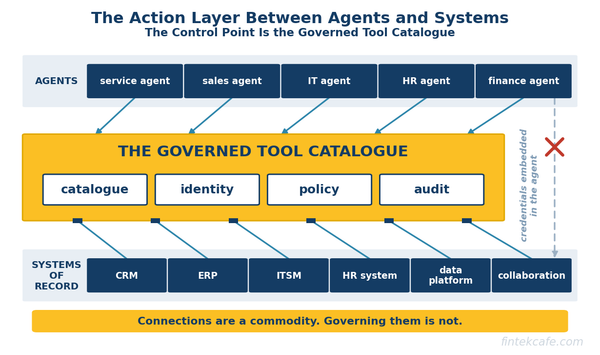
Integration Platforms Are the Quiet Winners of the Agent Era
Agents act through integrations. iPaaS and API vendors hold the connectors, credentials and audit trails, and MCP makes governing that layer worth more.
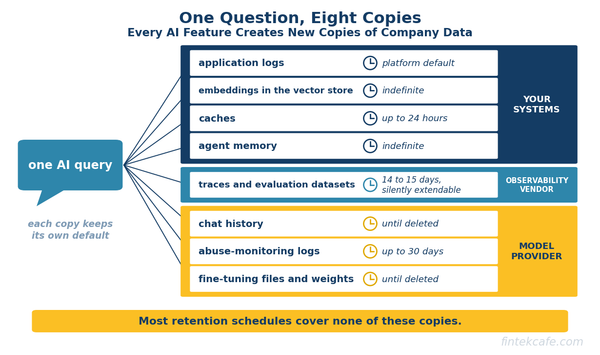
What Happens to Your Data Inside AI Systems: Retention, Deletion and the Copies Nobody Tracks
Every AI feature copies company data into prompts, logs, embeddings and memory. Where each copy lives, what vendors retain, and how to make deletion real.
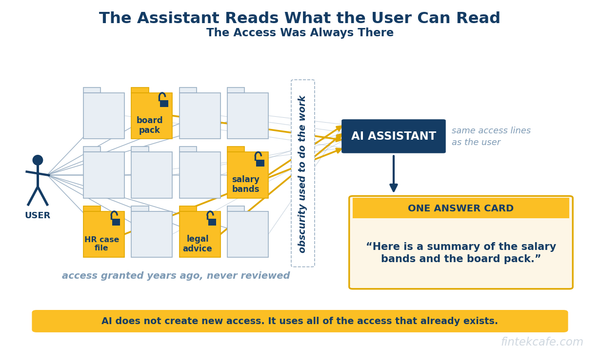
Data Classification: The Step Every Enterprise AI Rollout Skips, and What It Costs Later
Why AI assistants expose overshared data, how data classification fixes it, what to label first, and a 90-day plan for executives.