
The Cloud Cost Crisis: Why Your AWS Bill Is a Strategy Problem
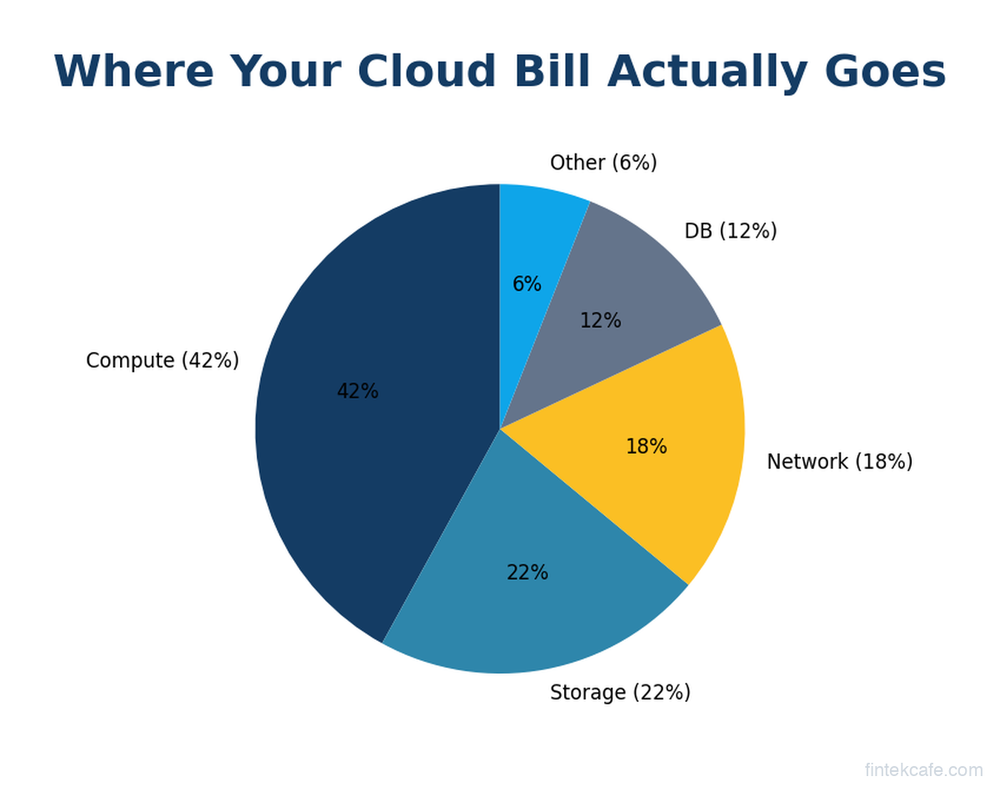
Here's a number that should make every CEO uncomfortable: the average enterprise wastes 30-40% of its cloud spend. Not underutilizes. Wastes. That's money flowing to AWS, Azure, or Google Cloud for resources that are either idle, oversized, or architecturally unnecessary.
For a mid-market company spending $2 million annually on cloud infrastructure, that's $600,000-$800,000 per year evaporating. For a large enterprise spending $50 million, it's $15-20 million. Every year. Silently.
And yet, in most organizations, nobody in the C-suite can explain the cloud bill. It lands in IT's budget, gets approved because "that's what it costs to run our systems," and nobody asks whether $2 million could be $1.2 million without any reduction in capability.
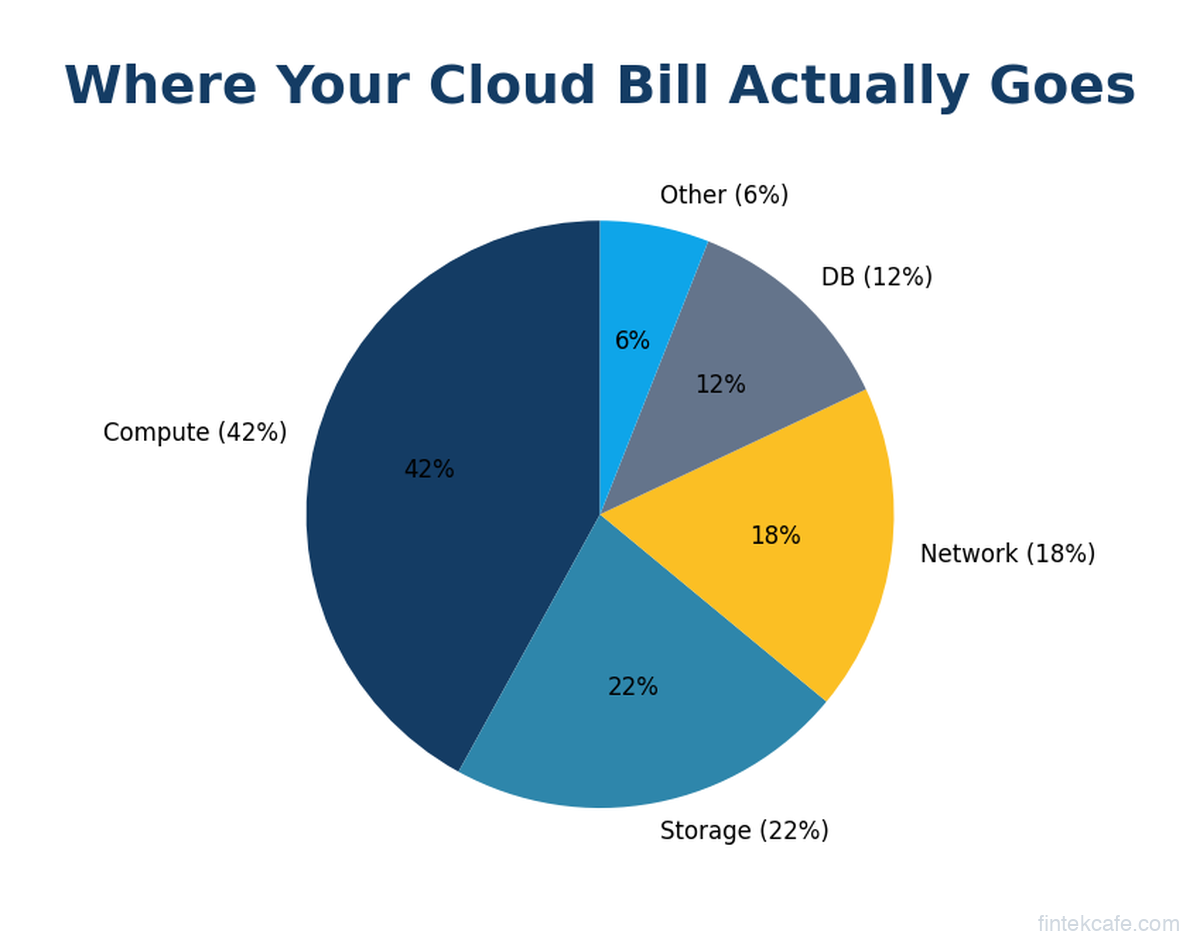
This is a strategy problem masquerading as an infrastructure line item. And the companies that figure this out will have a meaningful cost advantage over those that don't.
How We Got Here
The cloud migration pitch was elegant. Convert capital expenditure (buying servers) to operating expenditure (renting compute). Pay only for what you use. Scale up when you need more, scale down when you don't. Eliminate the data center team. Focus on building products, not managing hardware.
The pitch was accurate. What it omitted was the governance challenge.
When you own a data center, spending is naturally constrained. Buying a new server requires a purchase order, budget approval, and physical installation. The friction is built into the process. A developer can't accidentally spin up $50,000 worth of servers by clicking the wrong button.
Cloud removes all that friction. Any engineer with the right IAM credentials can provision resources in seconds. Need a bigger database? Click. Want to test something in a new region? Click. Forgot to shut down that test environment from three months ago? Nobody notices, because the bill goes to a centralized account that nobody reads line by line.
The result is what the industry now calls "cloud sprawl." Resources accumulate like unused subscriptions on a credit card. Each individual charge seems small. The aggregate is enormous.
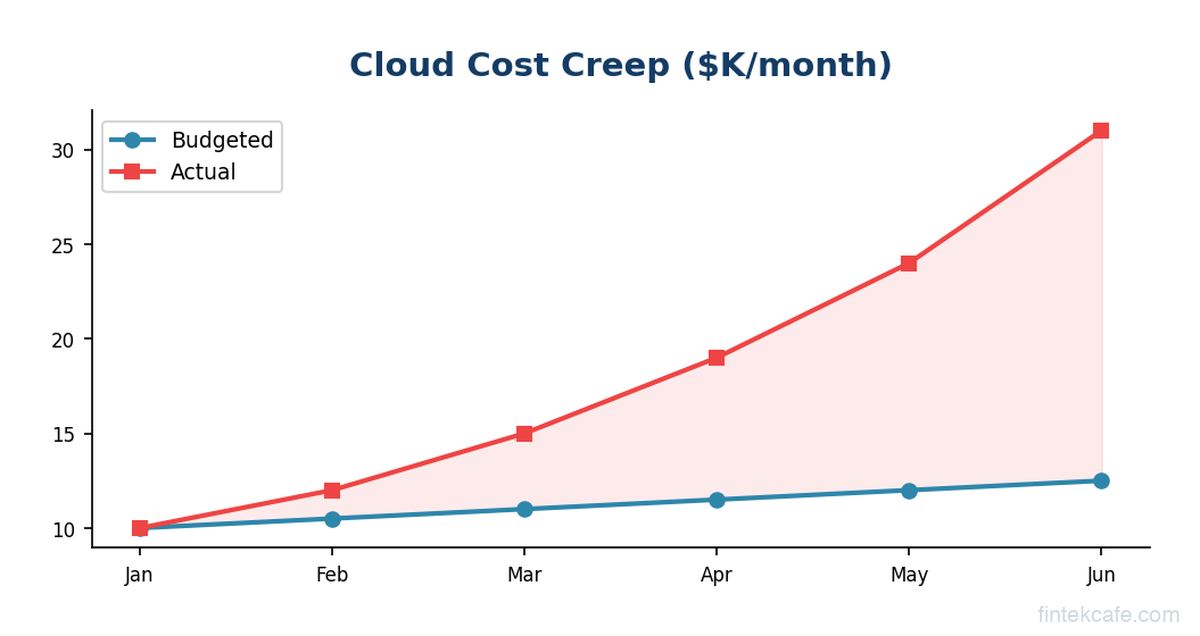
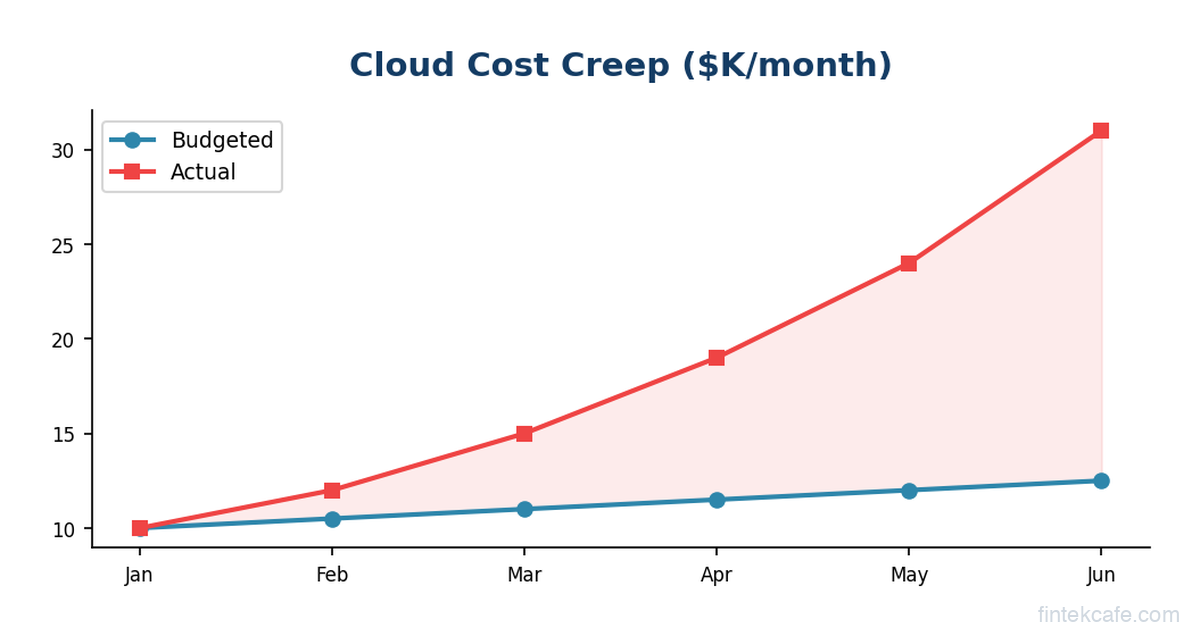
Flexera's 2025 State of the Cloud report found that organizations estimated they wasted 28% of cloud spend, while actual measured waste was closer to 35-40%. The gap between perceived and actual waste is itself a problem. Leadership thinks the bill is mostly justified. It isn't.
The Engineering Team Can't Fix This
Most companies, when they realize their cloud bill is too high, assign the problem to engineering. "Optimize our infrastructure. Right-size the instances. Clean up the unused resources."
This doesn't work, for structural reasons.
Engineers optimize for performance and reliability, not cost. When an engineer provisions a database, they choose a size that guarantees the application won't have performance issues. They don't choose the cheapest option that might work. The incentive structure rewards uptime and speed, not cost efficiency. No engineer has ever been fired for over-provisioning. Plenty have been fired for outages caused by under-provisioning.
Engineering teams also lack visibility into business context. They know that a service runs on four large instances. They don't know whether the business unit consuming that service generates enough revenue to justify the cost. They can't make the trade-off between "spend $5,000/month on this service" and "accept slightly slower response times and spend $2,000/month" because they don't have the business data to evaluate the trade-off.
Finally, cost optimization competes with feature development for engineering time. If you ask a team to choose between building the feature that closes a $500K deal and optimizing cloud spend to save $3,000/month, they'll build the feature every time. Rationally so.
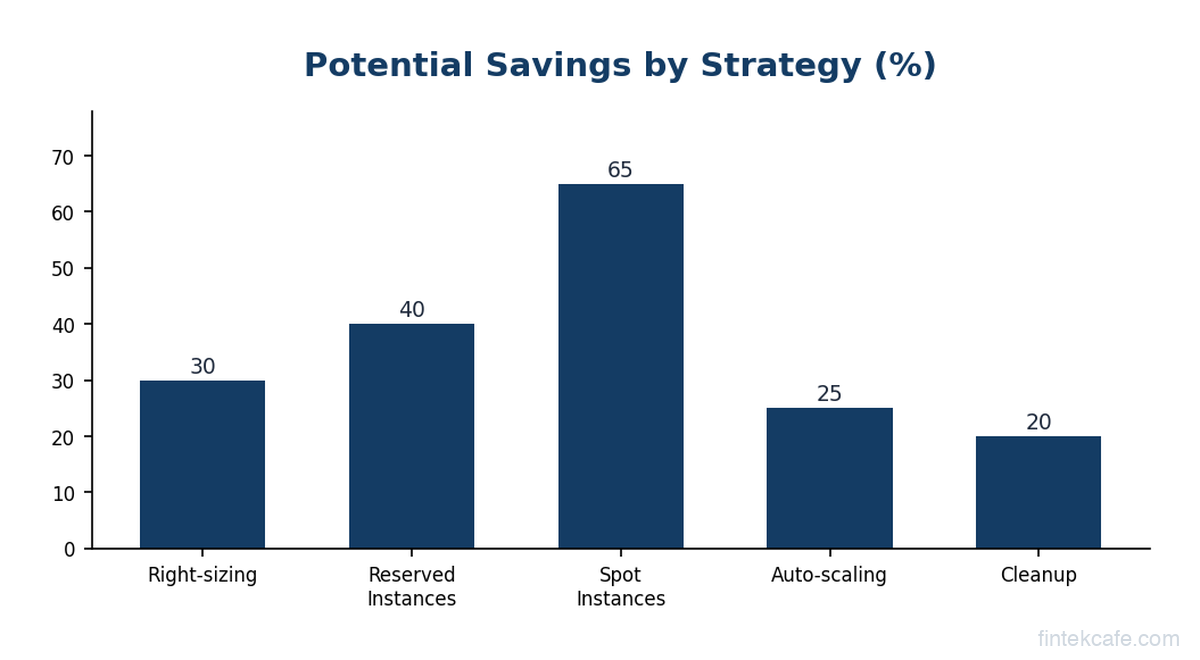
The companies that have successfully controlled cloud costs share one thing in common: they didn't make it engineering's problem. They made it a finance and strategy problem with engineering support.
This is a Premium Article
Sign up for a Premium membership to read this article and get full access to strategic intelligence on technology and business.
Already a member? Sign in
Related Articles
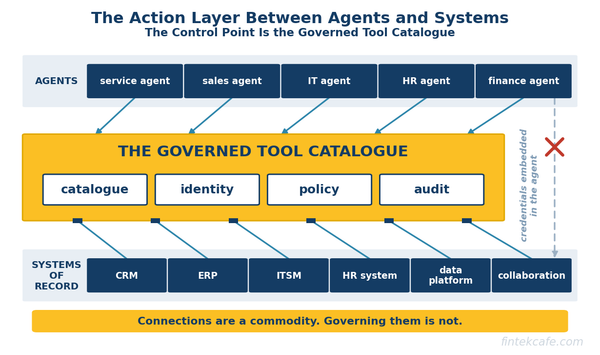
Integration Platforms Are the Quiet Winners of the Agent Era
Agents act through integrations. iPaaS and API vendors hold the connectors, credentials and audit trails, and MCP makes governing that layer worth more.
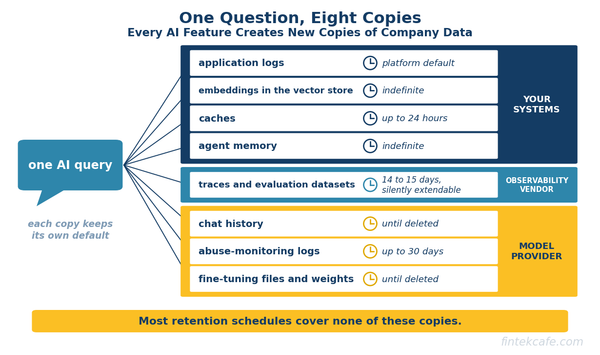
What Happens to Your Data Inside AI Systems: Retention, Deletion and the Copies Nobody Tracks
Every AI feature copies company data into prompts, logs, embeddings and memory. Where each copy lives, what vendors retain, and how to make deletion real.
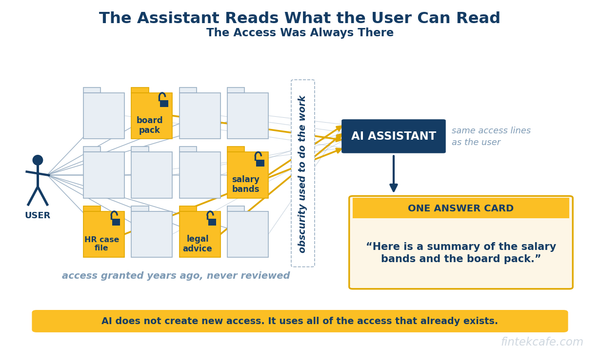
Data Classification: The Step Every Enterprise AI Rollout Skips, and What It Costs Later
Why AI assistants expose overshared data, how data classification fixes it, what to label first, and a 90-day plan for executives.