
Agents Are Coming for the IT Services Contract, and Buyers Should Renegotiate First
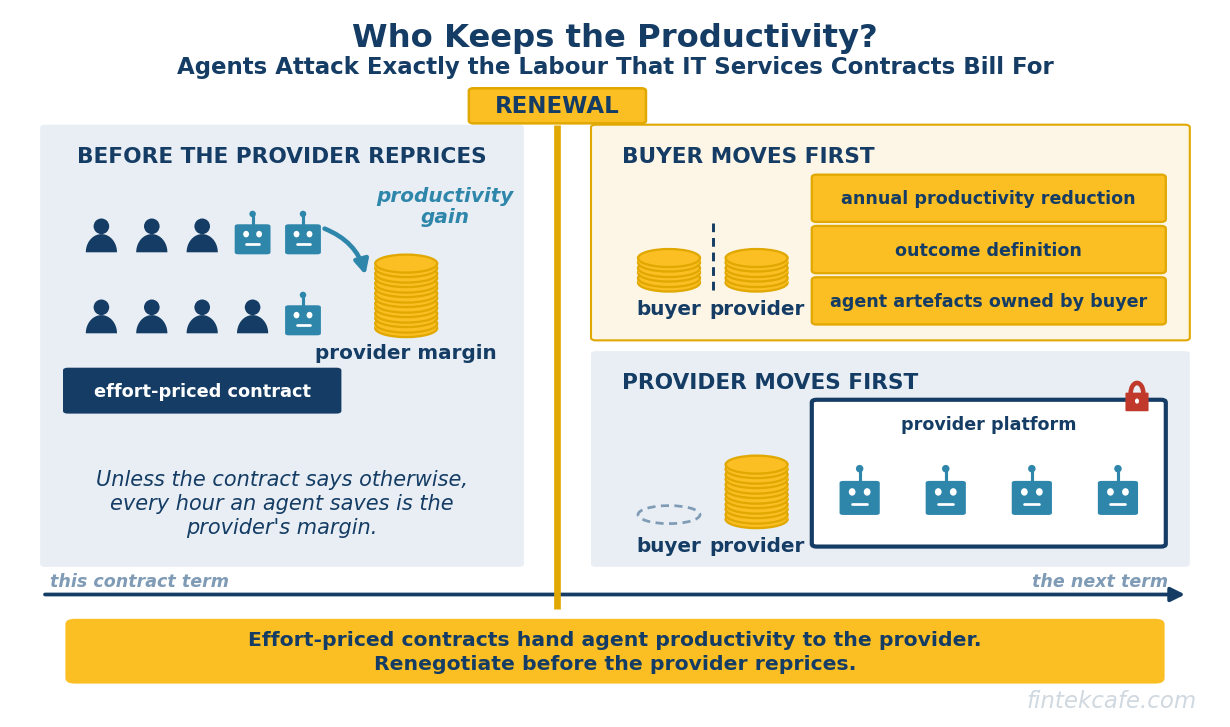
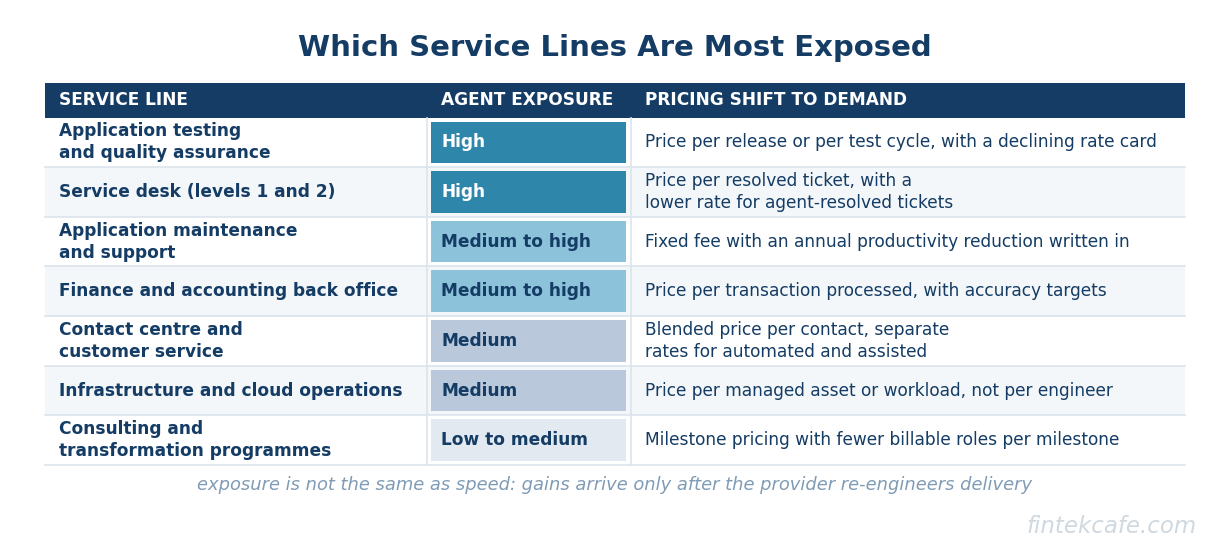
Large enterprises spend more on IT services and business process outsourcing than on almost any other technology line. Most of that spend is still priced the way it was twenty years ago: by the number of people a provider assigns, the hours they work, or a fixed fee that was calculated from both. Application maintenance, testing, the service desk, finance back-office processing and contact centres are all bought this way.
The thesis of this piece: agents attack exactly the labour that these contracts bill for, the providers know it, and the buyer holds the leverage for the next renewal only if it moves before the provider reprices. A contract priced on effort transfers every productivity gain to the provider unless the contract says otherwise. Providers are already using AI to deliver the same work with fewer people. The question for every CIO, COO and procurement head is who keeps the difference.
The providers are not hiding the shift. Their earnings calls describe falling prices in parts of the portfolio, clients asking for productivity commitments, and a push toward outcome pricing and their own agent platforms. That repositioning is rational for them. It is also the moment of maximum risk for buyers, because a contract repriced on the provider's terms locks in the provider's view of what the work is worth, and puts the provider's agents in charge of the buyer's processes.
What the Providers Are Telling Investors
The evidence from the most recent reporting season is consistent across the largest firms.
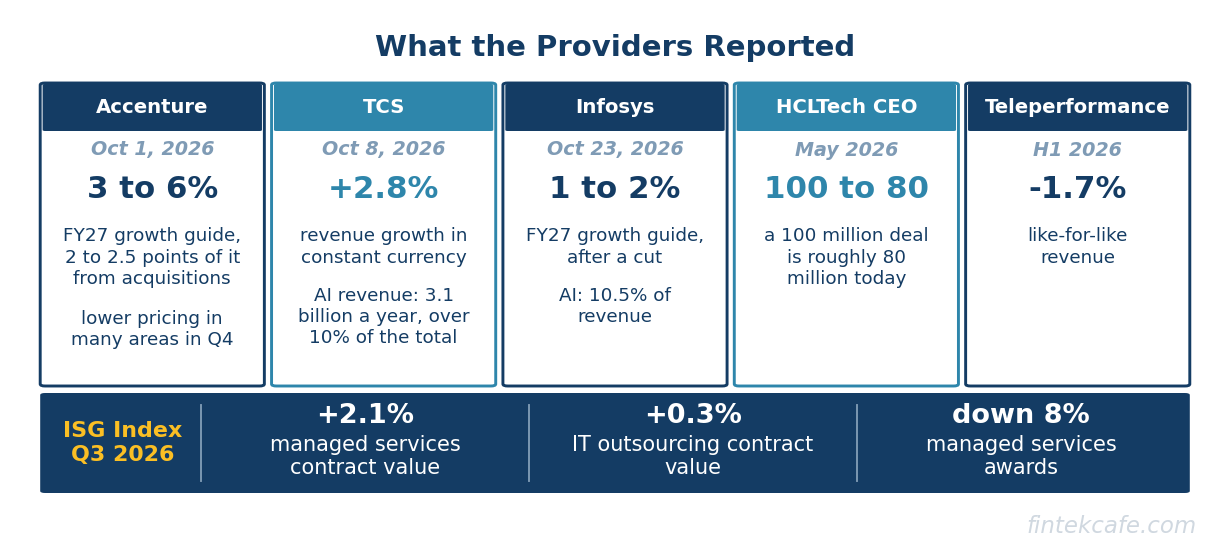
Accenture reported its fourth quarter of fiscal 2026 on October 1, 2026. Chief executive Julie Sweet said pricing in fiscal 2026 was overall stable, but that "in Q4, we saw lower pricing in many areas of our business," and management said continued intense competition was built into its fiscal 2027 guidance of 3 to 6 percent revenue growth in local currency, of which 2 to 2.5 points is expected to come from acquisitions (Accenture Q4 fiscal 2026 results, October 1, 2026). Strip out acquisitions and the guidance implies organic growth of roughly 0.5 to 4 percent.
Tata Consultancy Services reported its quarter to September 30, 2026 on October 8. Revenue was 7.64 billion dollars, up 2.8 percent year on year in constant currency, and annualised AI revenue reached 3.1 billion dollars, crossing 10 percent of the total. Chief financial officer Samir Seksaria described pricing as "broadly stable" at the portfolio level, and said revenue per employee showed "a slight reduction, not a significant one" (TCS Q2 FY27 earnings call, October 8, 2026). Earlier in the year, chief executive K. Krithivasan framed the goal plainly: "our attempt would be to ensure that we arrest the degrowth while the AI revenue increases" (Forbes India, May 11, 2026).
Infosys reported on October 23, 2026. Revenue grew 1.5 percent year on year in constant currency, full-year guidance was cut to 1 to 2 percent, and AI revenue reached 10.5 percent of the total. Management also said it chose not to pursue a large European manufacturing deal because the economics did not meet its return expectations (Infosys Q2 FY27 earnings call, October 23, 2026). In May, chief executive Salil Parekh said the company was working on "multi-year deals, factoring in pricing based on productivity" (Forbes India, May 11, 2026).
HCLTech chief executive C. Vijayakumar gave the clearest single number: a deal worth 100 million dollars "would be much less today," roughly 80 million on his rough estimate, once AI productivity is priced in (same Forbes India report).
Teleperformance, the largest customer experience outsourcer, reported first-half 2026 like-for-like revenue down 1.7 percent, with its Trust and Safety business, about 6 percent of revenue, soft. Management also said translation tools are helping clients move volume from onshore to offshore locations. It kept full-year guidance of 0 to 2 percent like-for-like growth (Teleperformance H1 2026 earnings call, July 30, 2026).
The market data agrees. The ISG Index for the third quarter of 2026 recorded record combined contract value of 52.5 billion dollars, up 63 percent, but almost all of the growth came from cloud infrastructure and software. Managed services contract value grew 2.1 percent to 11.3 billion dollars, IT outsourcing within it grew 0.3 percent, and the number of managed services awards fell 8 percent. ISG's Steve Hall: "much of the incremental investment is flowing into infrastructure, platforms and software rather than traditional outsourcing and managed-services contracts" (ISG Index, October 8, 2026).
Read together, these disclosures say three things. Prices on traditional work are falling, slowly and unevenly. TCS and Infosys each now report AI revenue above 10 percent of the total and growing fast, which is where they want the client's next contract to go. And the providers are deciding, deal by deal, how much productivity to hand back. Buyers who wait for the provider to propose the new price will get the provider's number. The rest of this piece sets out which contracts are most exposed, what outcome pricing really transfers, the lock-in that comes with a provider's agents, and a renegotiation framework.
This is a Premium Article
Sign up for a Premium membership to read this article and get full access to strategic intelligence on technology and business.
Already a member? Sign in
Related Articles
Integration Platforms Are the Quiet Winners of the Agent Era
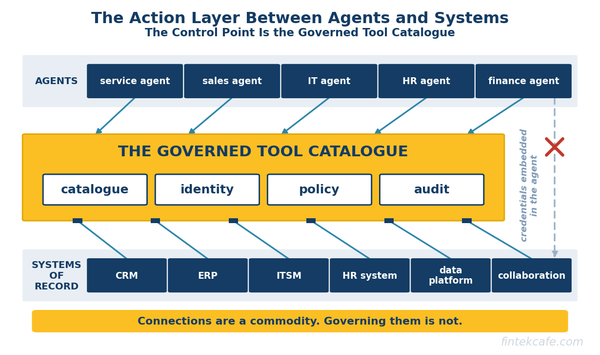
Agents act through integrations. iPaaS and API vendors hold the connectors, credentials and audit trails, and MCP makes governing that layer worth more.
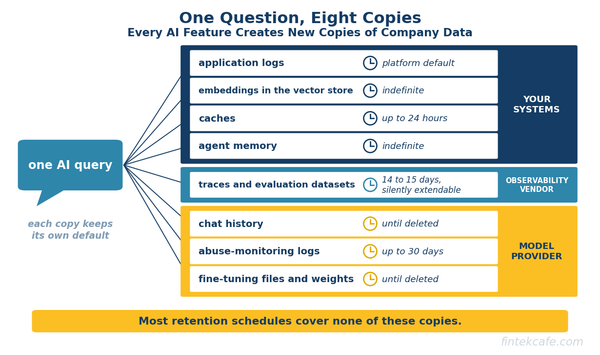
What Happens to Your Data Inside AI Systems: Retention, Deletion and the Copies Nobody Tracks
Every AI feature copies company data into prompts, logs, embeddings and memory. Where each copy lives, what vendors retain, and how to make deletion real.
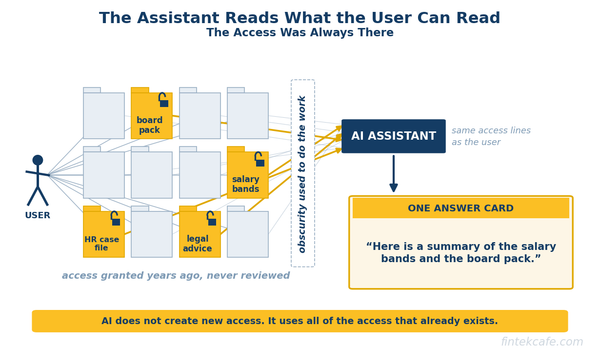
Data Classification: The Step Every Enterprise AI Rollout Skips, and What It Costs Later
Why AI assistants expose overshared data, how data classification fixes it, what to label first, and a 90-day plan for executives.