
Your AI Vendor Is Lying to You: How to Spot It
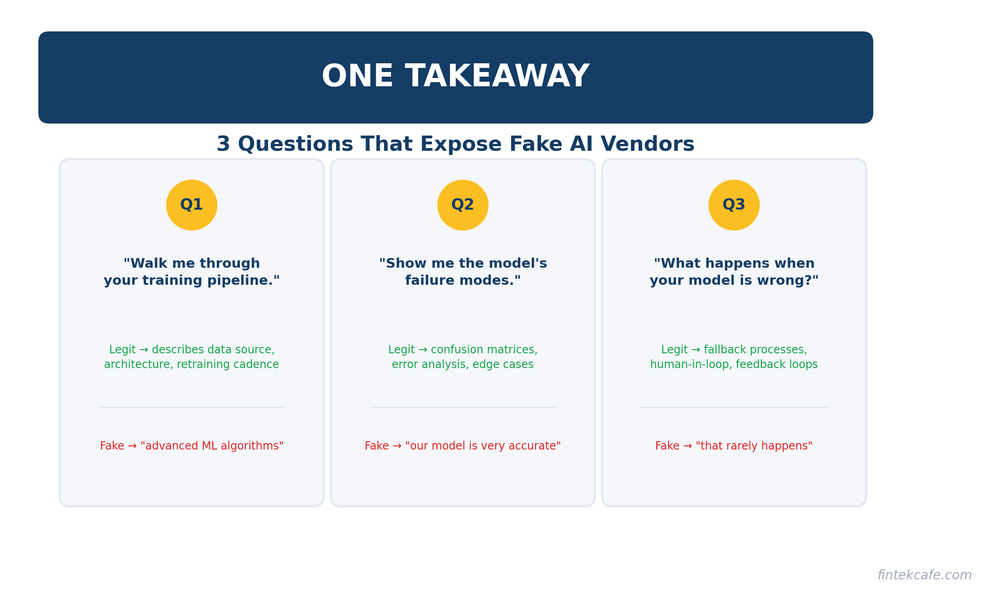
Enterprise AI vendor pitches have become a genre unto themselves. CTOs are signing seven-figure contracts based on demos that are essentially pre-recorded. "Proprietary AI platforms" turn out to be wrappers around open-source models with a login page bolted on.
The pattern is clear: the majority of enterprise AI vendors are lying to you. Not in a criminal fraud way - in a "stretching the truth until it snaps" way. And they're getting away with it because most buyers don't know the right questions to ask.
This isn't an anti-AI piece. AI is genuinely transformative technology. But the gap between what AI can do and what vendors claim it does is a canyon - and your budget is falling into it.
Here are the five lies that come up most often in enterprise AI sales, and the technical questions that cut through every single one.
Lie #1: "Our Model Is Proprietary"
This is the most common lie, and the most brazen.
When a vendor says "proprietary model," what they usually mean is: we took LLaMA, Mistral, or another open-source foundation model, fine-tuned it on a dataset we scraped together, and wrapped it in an API. That's not proprietary. That's a configuration.
There's nothing wrong with fine-tuning open-source models. It's a legitimate engineering approach. The lie isn't the approach - it's the pricing. They're charging you proprietary prices for commodity infrastructure.
Here's how to spot it: ask them what architecture their model uses. If they dodge the question, say "it's a transformer-based architecture" (everything is), or claim they "can't disclose for IP reasons" - they're running open-source under the hood. A genuinely proprietary model team will happily discuss their architecture because it's their competitive moat.
The follow-up that really exposes them: "What's your training compute budget?" A company that actually built a foundation model from scratch has spent tens of millions on compute. If they can't give you a rough order of magnitude, they didn't build it.
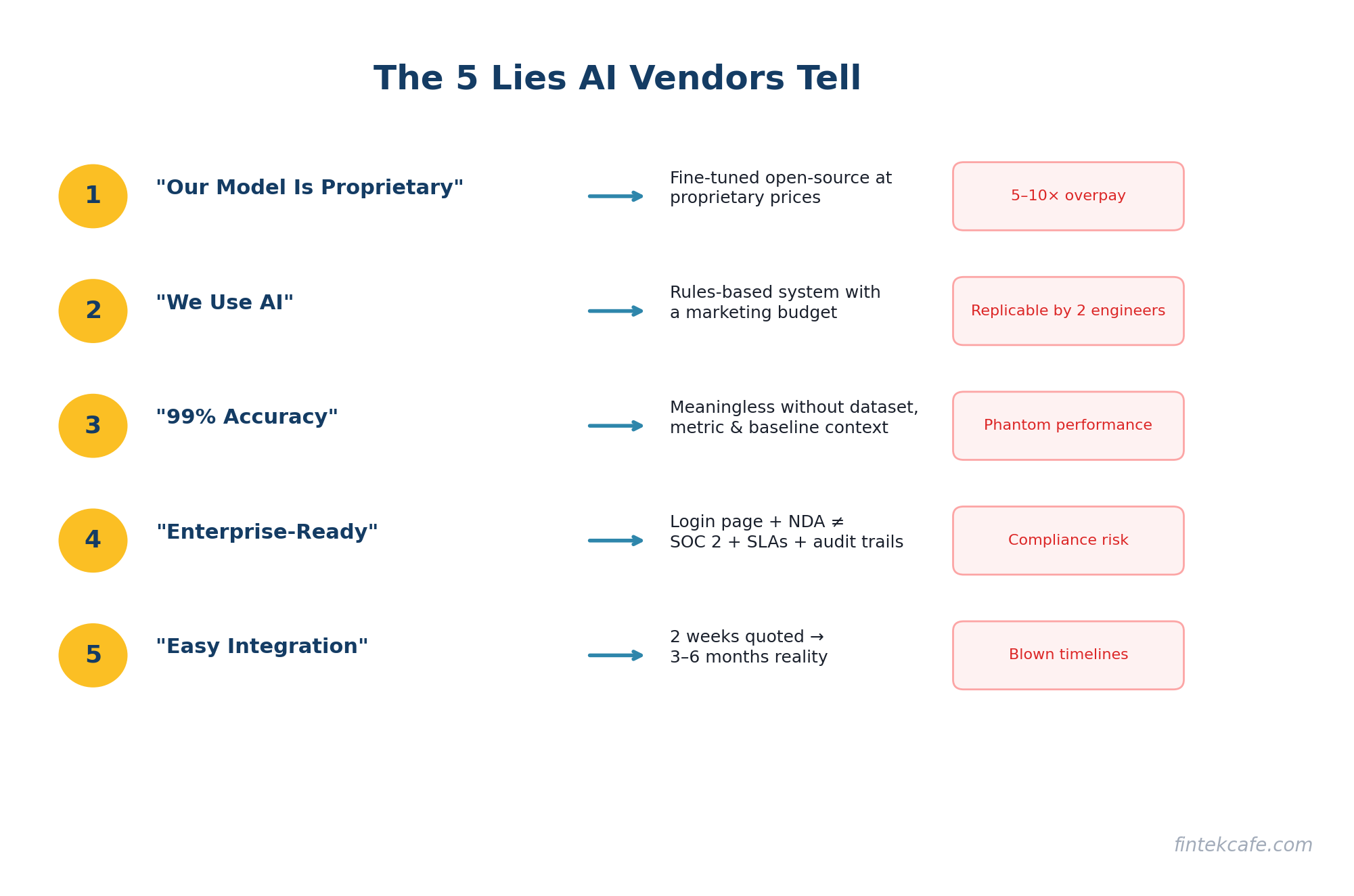
What this costs you: You're paying 5-10x what you'd pay to deploy the same open-source model yourself, plus you're locked into their API with no portability.
Lie #2: "We Use AI"
This one is almost quaint, but it's still everywhere.
Consider a "fraud detection AI platform" that recently went through due diligence. Impressive demo. Caught synthetic transactions in real time, flagged anomalies, generated risk scores. Under the hood? A decision tree with 47 hand-coded rules and a threshold that someone had tuned manually over three years.
Rules-based systems aren't AI. They're software. Good software, sometimes - that fraud detection system actually worked well. But calling it AI is like calling a calculator a computer. Technically adjacent, practically dishonest.
The telltale sign: ask about model retraining. A real ML system needs regular retraining as data distributions shift. If the vendor looks confused by the question, or says "our system continuously learns" without being able to explain the retraining pipeline, you're looking at a rules engine with a marketing budget.
Another giveaway: ask how the system handles edge cases it hasn't seen before. A rules-based system fails silently or throws errors. A genuine ML system will produce a prediction with a confidence score - and the vendor should be able to explain how they handle low-confidence outputs.
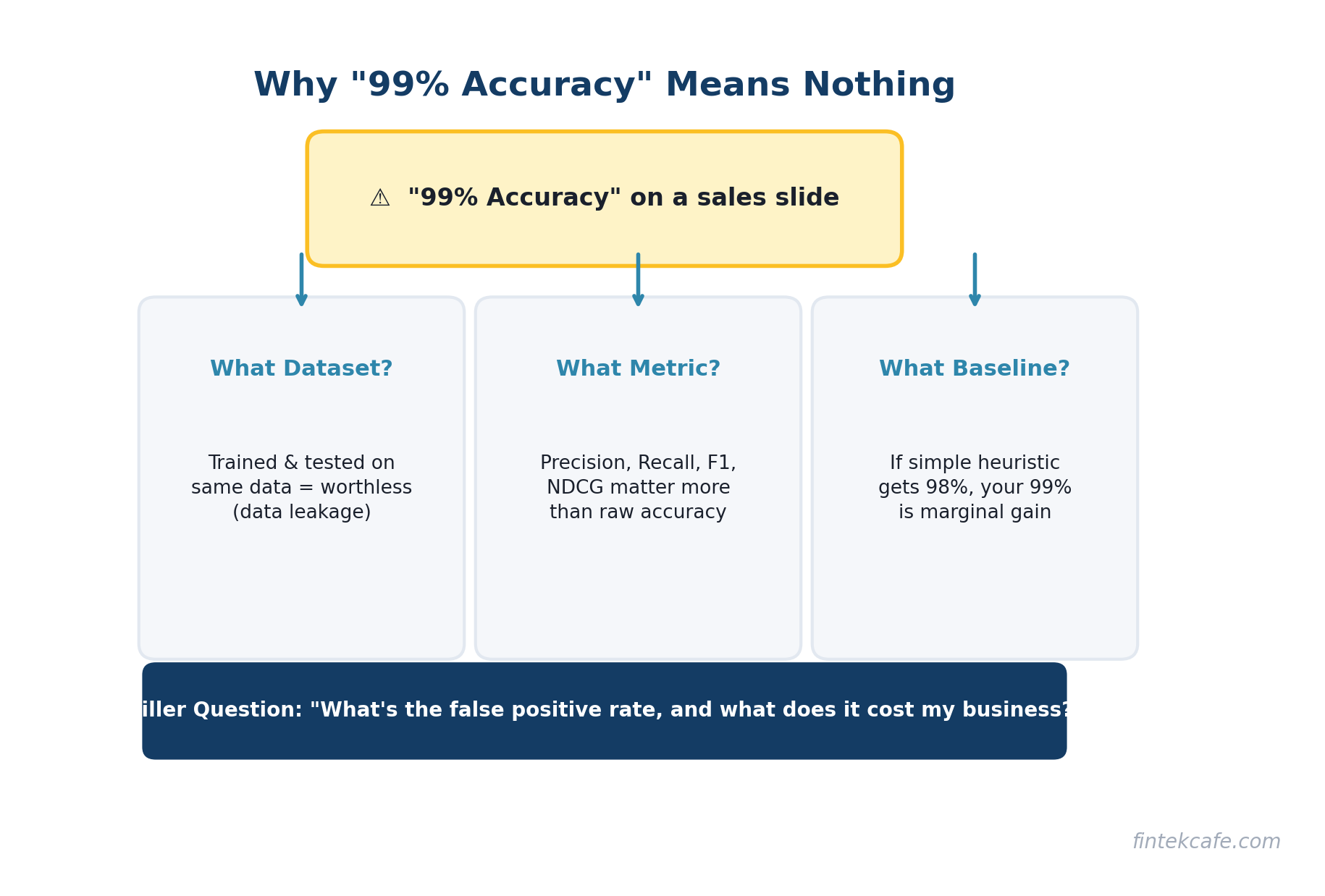
What this costs you: You're paying AI premium prices for software that could be replicated by two engineers in a quarter.
This is a Premium Article
Sign up for a Premium membership to read this article and get full access to strategic intelligence on technology and business.
Already a member? Sign in
Related Articles
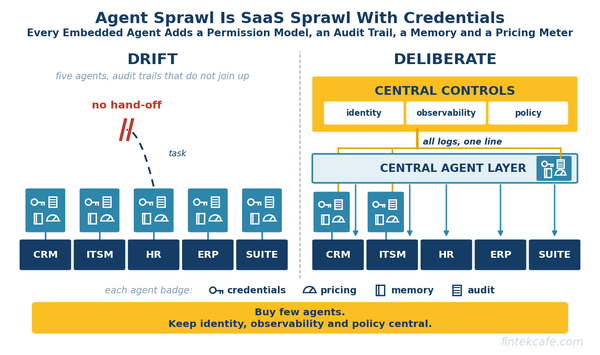
Every Software Vendor Now Sells an Agent, and Most Enterprises Should Buy Very Few of Them
Buying an agent from every system of record recreates SaaS sprawl one layer up. How CIOs should choose, and which controls must stay central.
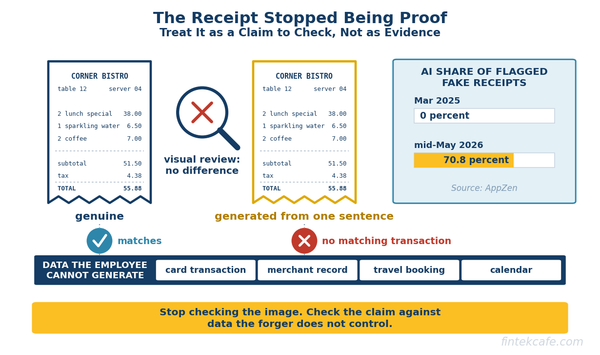
AI-Generated Fake Receipts: How Expense Fraud Changed and How Finance Teams Catch It
AI-generated fake receipts now beat visual review. How expense fraud changed, which detection still works, and the controls to use by company size.
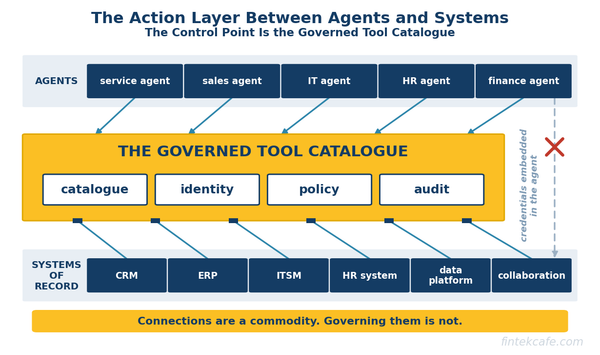
Integration Platforms Are the Quiet Winners of the Agent Era
Agents act through integrations. iPaaS and API vendors hold the connectors, credentials and audit trails, and MCP makes governing that layer worth more.